

IL NUMERO DI GIUGNO 2026 in edicola
IL NUMERO DI GIUGNO 2026 in edicola
IL NUMERO DI GIUGNO 2026 in edicola
IL NUMERO DI GIUGNO 2026 in edicola
IL NUMERO DI GIUGNO 2026 in edicola
IL NUMERO DI GIUGNO 2026 in edicola
IL NUMERO DI GIUGNO 2026 in edicola
IL NUMERO DI GIUGNO 2026 in edicola


Verifica le date inserite: la data di inizio deve precedere quella di fine


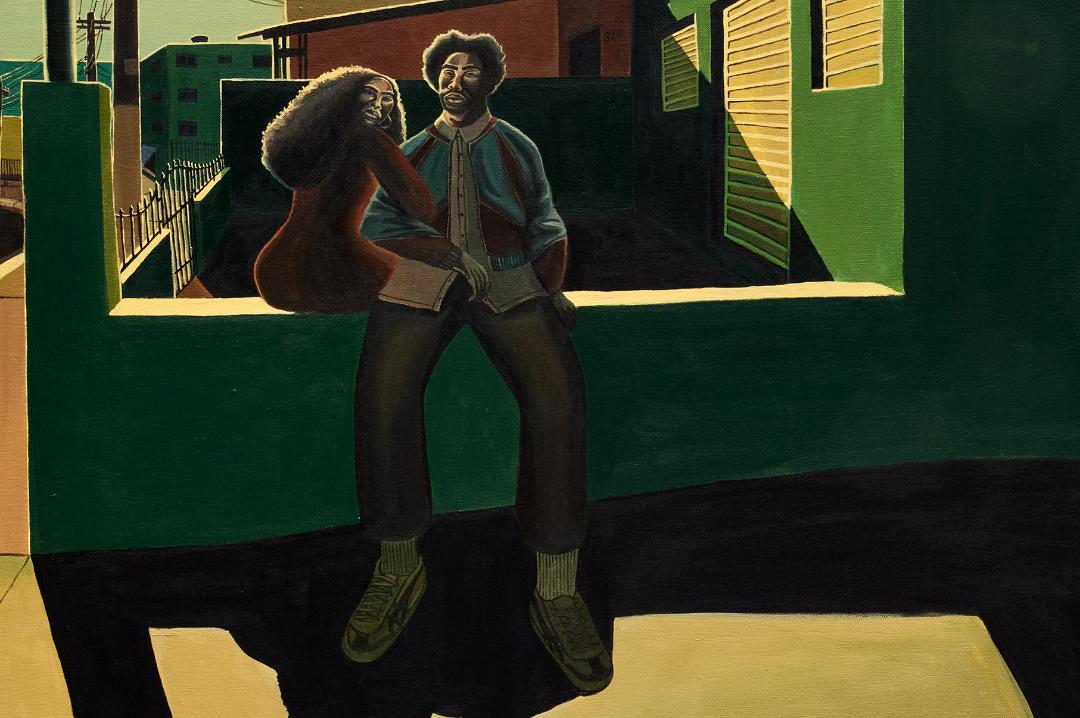
Victor Fidelis, No limite do privado, 2025
A TEFAF Maastricht c’è un nuovo premio: MAZE / Art Awards F.P. Journe
Dalla fiera al museo: un premio itinerante e camaleontico che unisce pensiero curatoriale, collaborazione istituzionale e mecenatismo
Silvia Conta
Leggi i suoi articoliPassione per l’arte, per l’eccellenza, per la crescita culturale. È ciò che accomuna le visioni di TEFAF Maastricht, MAZE e di F.P.Journe Haute Horlogerie Manufacture, quest’anno per la prima volta insieme durante l’imminente edizione della fiera, dal 14 al 19 marzo 2026. In questa occasione il MAZE / Art Awards F.P. Journe si concentrerà su un artista storico riscoperto e presentato da una galleria moderna o contemporanea durante la fiera, la cui opera selezionata sarà proposta in donazione al Kunstmuseum Basel.
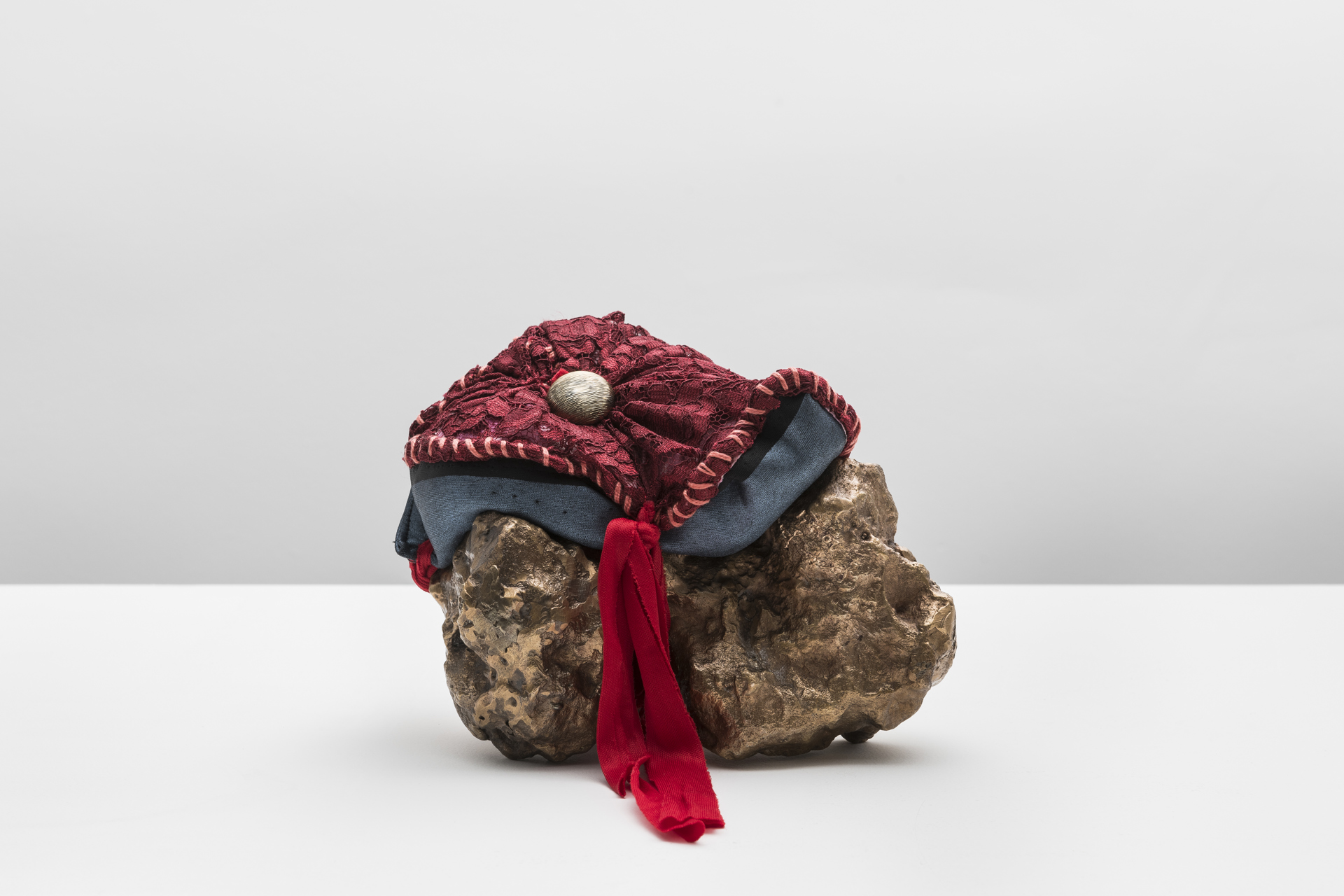
Si tratta della terza edizione del premio: la prima si è svolta a Parigi lo scorso novembre, in collaborazione con la fiera MIRA Art Fair, vinta dall’artista brasiliano Victor Fidelis, la cui opera è stata proposta in donazione al Centre Pompidou, e la seconda, a MAZE / Art Gstaad lo scorso febbraio, assegnata a Sonia Gomes, rappresentata da Mendes Wood DM, con l’opera vincitrice proposta in donazione al Kunstmuseum Basel.
Se TEFAF non ha bisogno di presentazioni, vale la pena ricordare la visione che anima MAZE e l’impegno di F.P. Journe. MAZE è stata fondata nel febbraio 2024 da Thomas Hug, con Baptiste Janin direttore artistico fin dall’inizio. Il primo evento in cui ha mostrato la propria filosofia è stato, nello stesso anno, un art salon a Gstaad, inizialmente chiamato “GstaadArt” nella sua prima edizione prima di diventare MAZE / Art Gstaad, che ha riunito una ventina di rinomate gallerie svizzere e internazionali.
Oggi, sotto la sua egida, l’organizzazione riunisce una costellazione di fiere (che ama chiamare “Salon”), tra cui MAZE / Art Gstaad, MAZE / Art St. Moritz, MAZE / Design Basel e altre iniziative culturali.
Le fiere si sviluppano secondo il modello della boutique fair, con un numero molto selezionato di partecipanti (da una dozzina lo scorso anno a Basilea fino a circa quaranta durante l’edizione 2026 di Gstaad) e un livello qualitativo d’eccellenza in ambiti specifici delle opere proposte, tra arti visive (dai maestri antichi all’arte moderna e contemporanea), fotografia, design, architettura, video e gioielli, e molto altro.
I vari ambiti possono essere presenti nella stessa fiera, come nel caso di Gstaad, dove si potevano ammirare opere che spaziavano dall’arte antica al contemporaneo, passando per gioielli vintage e contemporanei fino ai libri rari; oppure un evento può avere un focus principale, come a Basilea, dove l’attenzione è principalmente rivolta al design, pur rimanendo aperta a campi affini come il gioiello contemporaneo.
Parallelamente, MAZE dà vita a progetti che sviluppano collaborazioni interdisciplinari con artisti provenienti, tra gli altri, dal mondo della moda, della musica e della gastronomia.
F.P. Journe, dal canto suo, è una manifattura svizzera di Haute Horlogerie: fondata a Ginevra nel 1999 da François-Paul Journe, è considerata uno dei più importanti orologiai indipendenti contemporanei, grazie alla sua capacità di unire un’estetica classica a significative innovazioni meccaniche. François-Paul Journe è inoltre l’unico orologiaio ad aver ricevuto per tre volte l’Aiguille d’Or (Gran Premio) del Grand Prix d’Horlogerie de Genève ed è noto anche per le sue attività filantropiche.
Alla vigilia della terza edizione, Baptiste Janin ci ha accompagnati alla scoperta del premio e del suo rapporto con la nuova edizione della fiera olandese.
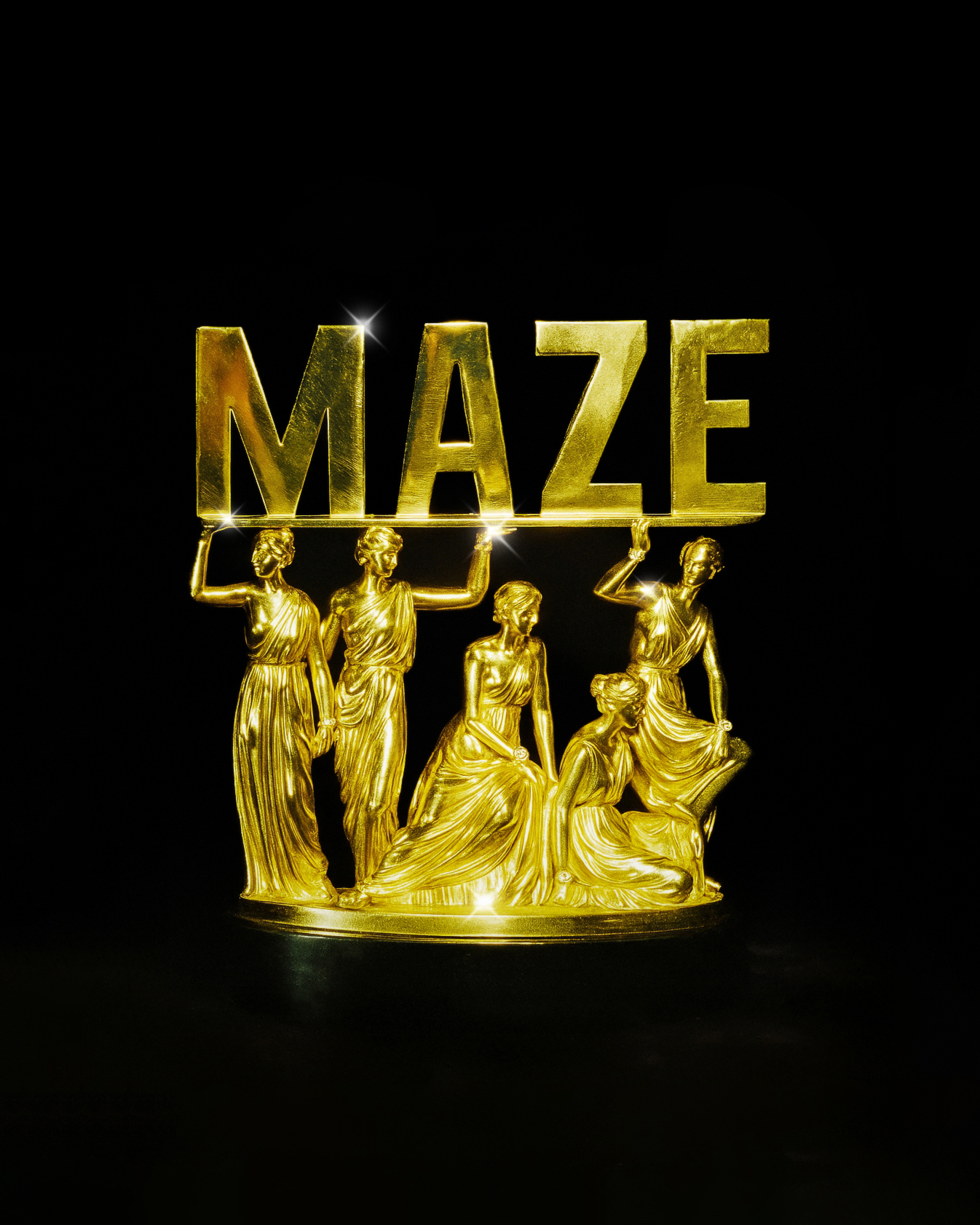
MAZE ART Award-Trophy Muses

Come è nata la collaborazione tra MAZE e F.P.Journe e il MAZE / Art Awards F.P.Journe?
La collaborazione è nata dall'interesse comune nel sostenere la creazione artistica e nel rafforzare il rapporto tra artisti, gallerie e istituzioni pubbliche. F.P. Journe si occupa da tempo di mecenatismo culturale e con MAZE abbiamo voluto sviluppare un'iniziativa che andasse oltre la cornice di una mostra o di una fiera d'arte. L'idea era quella di creare un premio che non solo riconoscesse un artista e la galleria che presentava l'opera, ma che contribuisse anche a dare maggiore visibilità all'artista stesso e a fargli compiere un passo importante nella sua traiettoria, dall'essere rappresentato da una galleria e collezionato privatamente all'entrare in una collezione istituzionale. Da qui la creazione del MAZE / Art Awards F.P. Journe, un premio che unisce pensiero curatoriale, collaborazione istituzionale e mecenatismo. Ogni edizione è sviluppata in dialogo con il contesto in cui si svolge, il che permette al premio di rimanere flessibile e di rispondere a diversi ambienti artistici.
Quali sono le caratteristiche e gli obiettivi del MAZE / Art Awards F.P.Journe?
Il premio ha diverse caratteristiche distintive. Innanzitutto, è concepito come un progetto curatoriale che si adatta al contesto in cui viene presentato. Piuttosto che avere un tema fisso, ogni edizione si sviluppa all'interno di un quadro specifico legato all'evento che ospita il premio. In secondo luogo, il premio sottolinea il ruolo delle gallerie nella scoperta, nella presentazione e nel sostegno degli artisti. Riconosce sia l'artista sia la galleria che ha portato l'opera nella sfera pubblica. In terzo luogo, il premio ha una forte dimensione istituzionale. L'opera vincitrice viene acquisita grazie al sostegno di F.P. Journe e proposta come donazione a un'istituzione pubblica. Finora le opere premiate sono state proposte al Centre Pompidou e al Kunstmuseum di Basilea. Al di là dell'acquisizione in sé, il premio mira a dare all'artista visibilità e riconoscimento istituzionale, rafforzando la posizione del suo lavoro nel panorama artistico più ampio. Infine, il premio include anche una componente editoriale. Ogni artista vincitore diventa il soggetto di un saggio pubblicato su MAZE / Art Columns.
Il premio viene presentato ogni volta in contesti diversi: la prima edizione si è svolta alla MIRA Art Fair di Parigi, la seconda a MAZE / Art Gstaad e la terza, ora, a TEFAF Maastricht. Come sono nate queste collaborazioni con fiere così diverse?
Fin dall'inizio, io e il signor Hug, fondatore di MAZE, abbiamo concepito il premio come un'iniziativa nomade, proprio come i nostri saloni ed eventi, in grado di interagire con diversi contesti artistici. Ogni evento offre un ambiente e un pubblico diversi. MIRA Art Fair di Parigi ha fornito un'eccellente piattaforma per la prima edizione, incentrata sull'arte latinoamericana. MAZE / Art Gstaad, il nostro salone, ha offerto un quadro artistico più ampio in cui sono state presentate molte forme d'arte diverse. TEFAF Maastricht rappresenta un'altra dimensione. È una delle fiere d'arte più importanti al mondo ed è unica nel riunire opere che abbracciano diversi secoli. Presentando il premio in contesti diversi, gli permettiamo di rimanere flessibile e di confrontarsi con diverse prospettive del mondo dell'arte.

Può parlarci più specificamente della collaborazione con TEFAF Maastricht?
TEFAF Maastricht ha un'identità molto particolare perché riunisce opere che vanno dall'antichità all'arte contemporanea. Questa ampiezza storica unica ha ispirato la struttura di questa edizione del premio. Per l'edizione 2026 del MAZE / Art Awards F.P. Journe, il premio distinguerà un artista storico che viene riscoperto e presentato da una galleria moderna o contemporanea. Questo approccio riflette un'importante dinamica del mondo dell'arte di oggi, in cui le gallerie svolgono un ruolo chiave nel reintrodurre artisti trascurati nel discorso contemporaneo. In questo senso, il TEFAF offre un contesto particolarmente significativo per il premio, poiché la fiera stessa incarna un dialogo tra diversi periodi della storia dell'arte.
La giuria cambia a ogni edizione del premio. Come scegliete i giurati?
La composizione della giuria è strettamente legata al contesto di ogni edizione. Invitiamo persone la cui esperienza professionale e la cui prospettiva istituzionale conferiscono loro una forte legittimità nel settore - tra cui professionisti museali, curatori, direttori di istituzioni o fondazioni e altre figure attivamente coinvolte nella formazione del panorama culturale. Piuttosto che istituire una giuria permanente, preferiamo riunire un gruppo di persone le cui prospettive e competenze sono rilevanti per la particolare edizione del premio. Questo approccio consente a ogni processo di selezione di beneficiare di un insieme specifico e ponderato di punti di vista.
Quali sono i criteri generali di selezione delle opere vincitrici? Ci sono delle costanti o vengono stabiliti di volta in volta dalla commissione?
Ci sono alcune costanti. La giuria cerca opere artisticamente significative e che meritino un maggiore riconoscimento istituzionale. La qualità dell'opera e la sua rilevanza all'interno della pratica dell'artista sono elementi centrali della discussione. Allo stesso tempo, i criteri si evolvono naturalmente in base al contesto di ogni edizione. Poiché il premio è concepito in relazione al contesto in cui viene presentato, il processo di selezione si adatta di conseguenza. Un'altra considerazione importante è la possibilità che l'opera entri in una collezione istituzionale, che è un obiettivo centrale del premio.
Può darci qualche anticipazione sulle prossime collaborazioni tra il premio e altri eventi?
Il premio è stato concepito come un progetto flessibile che può evolversi in dialogo con diversi contesti artistici, e stiamo attualmente sviluppando le future edizioni con diversi partner. Siamo particolarmente interessati ad associare il premio a fiere ed eventi che abbiano una forte identità e una chiara visione artistica. Per il momento preferiamo non rivelare troppo e troppo presto. Tuttavia, possiamo già dire che la prossima edizione del MAZE / Art Awards F.P. Journe dovrebbe svolgersi durante il nostro prossimo salone, MAZE / Design Basel, che si terrà dal 14 al 18 giugno 2026. In definitiva, il premio si propone di creare uno slancio intorno agli artisti, aiutando il loro lavoro a spostarsi dal contesto della galleria alla più ampia conversazione istituzionale e storica.

Victor Fidelis, Baptiste Janin, 2025
English version below
TEFAF Maastricht has a new award: MAZE / Art Awards F.P. Journe
From the fair to the museum: a travelling, chameleon-like award that combines curatorial thinking, institutional collaboration and patronage
A passion for art, excellence and cultural growth. This is what unites the visions of TEFAF Maastricht, MAZE and F.P.Journe Haute Horlogerie Manufacture, coming together for the first time this year at the upcoming edition of the fair, from 14 to 19 March 2026. On this occasion, MAZE / Art Awards F.P. Journe will focus on a historical artist who is being rediscovered and presented by a modern or contemporary gallery during the fair, whose selected work will be proposed as a donation to the Kunstmuseum Basel. This is the third edition of the award: the first took place in Paris last November, in collaboration with the MIRA Art Fair, won by Brazilian artist Victor Fidelis, whose work was proposed as a donation to the Centre Pompidou, and the second, at MAZE / Art Gstaad last February, awarded to Sonia Gomes, represented by Mendes Wood DM, with the winning work proposed as a donation to the Kunstmuseum Basel.
While TEFAF needs no introduction, it is worth recalling the vision behind MAZE and the commitment of F.P. Journe. MAZE was founded in February 2024 by Thomas Hug, with Baptiste Janin as artistic director from the outset. The first event at which it showcased its philosophy was, in the same year, an art salon in Gstaad, initially called “GstaadArt” during its first edition before becoming MAZE / Art Gstaad, which brought together some twenty renowned Swiss and international galleries. Today, under its aegis, the organisation brings together a constellation of fairs (which it likes to call “Salons”), including MAZE / Art Gstaad, MAZE / Art St. Moritz, MAZE / Design Basel, and other cultural initiatives.
The fairs are developed according to the boutique fair model, with a highly select number of participants (ranging from a dozen last year in Basel to around forty during the 2026 edition in Gstaad) and a level of excellence in a specific field for the works on offer, including visual arts (from Old Masters to modern and contemporary art), photography, design, architecture, video and jewellery, and much more. The various fields may be present at the same fair, as in the case of Gstaad, where works ranging from ancient to contemporary art, vintage and contemporary jewellery and rare books could be admired, or an event may have a single theme, as in Basel, where the focus is primarily on design, while remaining open to closely related fields such as contemporary jewellery. In parallel with this, MAZE launches projects that develop interdisciplinary collaborations with artists from the worlds of fashion, music and gastronomy, among others.
F.P. Journe, on the other hand, is a Swiss Haute Horlogerie manufacture: founded in Geneva in 1999 by François-Paul Journe, it is considered one of the most important contemporary independent watchmakers, thanks to its ability to blend classic aesthetics with significant mechanical innovations. François-Paul Journe is the only watchmaker to have received the Aiguille d’Or (Grand Prix) of the Grand Prix d’Horlogerie de Genève three times and is also known for his philanthropic activities.
On the eve of the third edition, Baptiste Janin accompanied us on a journey of discovery of the award and its relationship with the new edition of the Dutch fair.
How did the collaboration between MAZE and F.P.Journe and the MAZE / Art Awards F.P.Journe come about?
The collaboration grew out of a shared interest in supporting artistic creation and strengthening the relationship between artists, galleries and public institutions. F.P. Journe has long been involved in cultural patronage, and through MAZE we wanted to develop an initiative that would go beyond the framework of an exhibition or an art fair. The idea was to create an award that not only recognises an artist and the gallery presenting the work, but also helps give the artist greater visibility and contributes to an important step in their trajectory, from being represented by a gallery and collected privately to entering an institutional collection. This led to the creation of the MAZE / Art Awards F.P. Journe, a prize that combines curatorial thinking, institutional collaboration and patronage. Each edition is developed in dialogue with the context in which it takes place, which allows the award to remain flexible and responsive to different artistic environments.
What are the characteristics and goals of the MAZE / Art Awards F.P.Journe?
The award has several distinctive characteristics. First, it is conceived as a curatorial project that adapts to the context in which it is presented. Rather than having a fixed theme, each edition develops within a specific framework related to the event hosting the award. Second, the prize highlights the role of galleries in discovering, presenting and supporting artists. It recognises both the artist and the gallery that has brought the work into the public sphere. Third, the award has a strong institutional dimension. The winning work is acquired thanks to the support of F.P. Journe and proposed as a donation to a public institution. So far, the awarded works have been proposed to the Centre Pompidou and to the Kunstmuseum Basel. Beyond the acquisition itself, the prize aims to give the artist institutional visibility and recognition, strengthening the position of their work within the broader art landscape. Finally, the award also includes an editorial component. Each winning artist becomes the subject of an essay published in MAZE / Art Columns.
The award is presented in different contexts each time: the first edition was at the MIRA Art Fair in Paris, the second at MAZE / Art Gstaad and the third, now, at TEFAF Maastricht. How did these collaborations with such different fairs come about?
From the beginning, Mr Hug, founder of MAZE and myself, we conceived the award as a nomadic initiative, much like our salons and events, able to engage with different artistic contexts. Each event offers a distinct environment and audience. MIRA Art Fair in Paris provided an excellent platform for the first edition, which focused on Latin American art. MAZE / Art Gstaad, our own salon, offered a broader artistic framework where many different forms of art were presented. TEFAF Maastricht represents yet another dimension. It is one of the most important art fairs in the world and is particularly unique in bringing together works spanning several centuries. By presenting the award in different contexts, we allow it to remain flexible and to engage with different perspectives within the art world.
Can you tell us more specifically about the collaboration with TEFAF Maastricht?
TEFAF Maastricht has a very distinctive identity because it brings together works ranging from antiquity to contemporary art. This unique historical breadth inspired the framework for this edition of the award. For the 2026 edition of the MAZE / Art Awards F.P. Journe, the prize will distinguish a historical artist who is being rediscovered and presented by a modern or contemporary gallery. This approach reflects an important dynamic in today’s art world, where galleries play a key role in reintroducing overlooked artists into contemporary discourse. In this sense, TEFAF provides a particularly meaningful context for the award, as the fair itself embodies a dialogue between different periods of art history.
The jury changes with each edition of the award. How do you choose the jurors?
The composition of the jury is closely linked to the context of each edition. We invite individuals whose professional experience and institutional perspective give them strong legitimacy in the field — including museum professionals, curators, directors of institutions or foundations, and other figures actively involved in shaping the cultural landscape. Rather than establishing a permanent jury, we prefer to assemble a group of people whose perspectives and expertise are relevant to the particular edition of the award. This approach allows each selection process to benefit from a specific and thoughtful set of viewpoints.
What are the general selection criteria for the winning works? Are there any constants or are they established each time by the commission?
There are a few constants. The jury looks for works that are artistically significant and that merit greater institutional recognition. The quality of the work and its relevance within the artist’s practice are central elements of the discussion. At the same time, the criteria naturally evolve depending on the framework of each edition. Since the award is conceived in relation to the context in which it is presented, the selection process adapts accordingly. Another important consideration is the potential for the work to enter an institutional collection, which is a central objective of the prize.
Can you give us any previews of upcoming collaborations between the award and other events?
The award was conceived as a flexible project that can evolve in dialogue with different artistic contexts, and we are currently developing future editions with several partners. We are especially interested in associating the award with fairs and events that have a strong identity and a clear artistic vision. For the moment, we prefer not to reveal too much too early. However, we can already say that the next edition of the MAZE / Art Awards F.P. Journe is expected to take place during our upcoming salon, MAZE / Design Basel, which will be held from June 14 to 18, 2026. Ultimately, the award is about creating momentum around artists, helping their work move from the gallery context into the broader institutional and historical conversation.
Silvia Conta, 11 marzo 2026 | © Riproduzione riservata
Altri articoli dell'autore
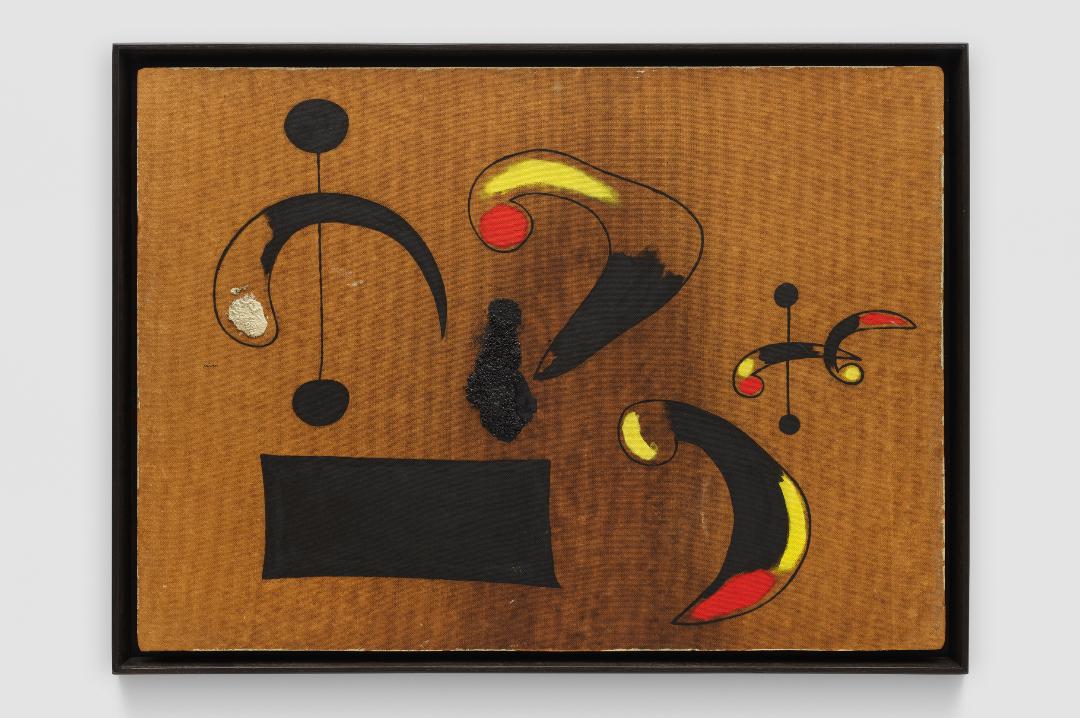
Nella sede della Vito Schnabel Gallery a St. Moritz le opere su masonite di Miró e i dipinti di Rene Ricard
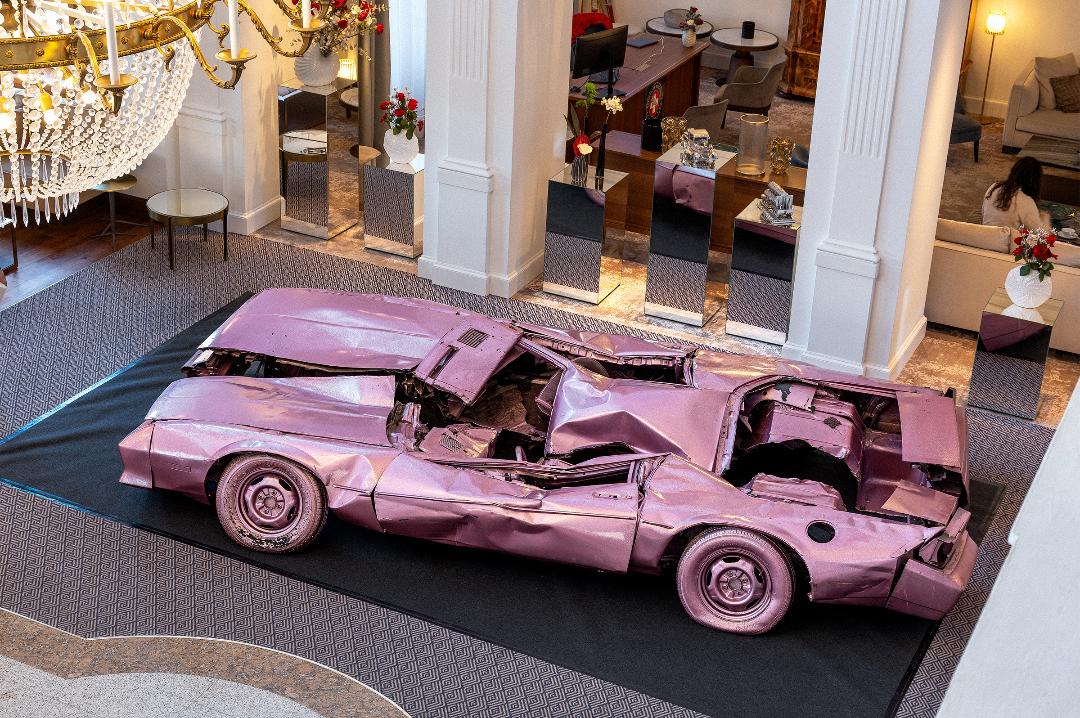
Dal 26 febbraio al 1° marzo, negli spazi Belle Époque dell’Hotel Reine Victoria, la seconda edizione della fiera riunisce una trentina di gallerie internazionali – con una significativa presenza italiana – e consolida il format selettivo e curatoriale di MAZE, tra arte moderna e contemporanea, design da collezione e radicamento nel territorio engadinese
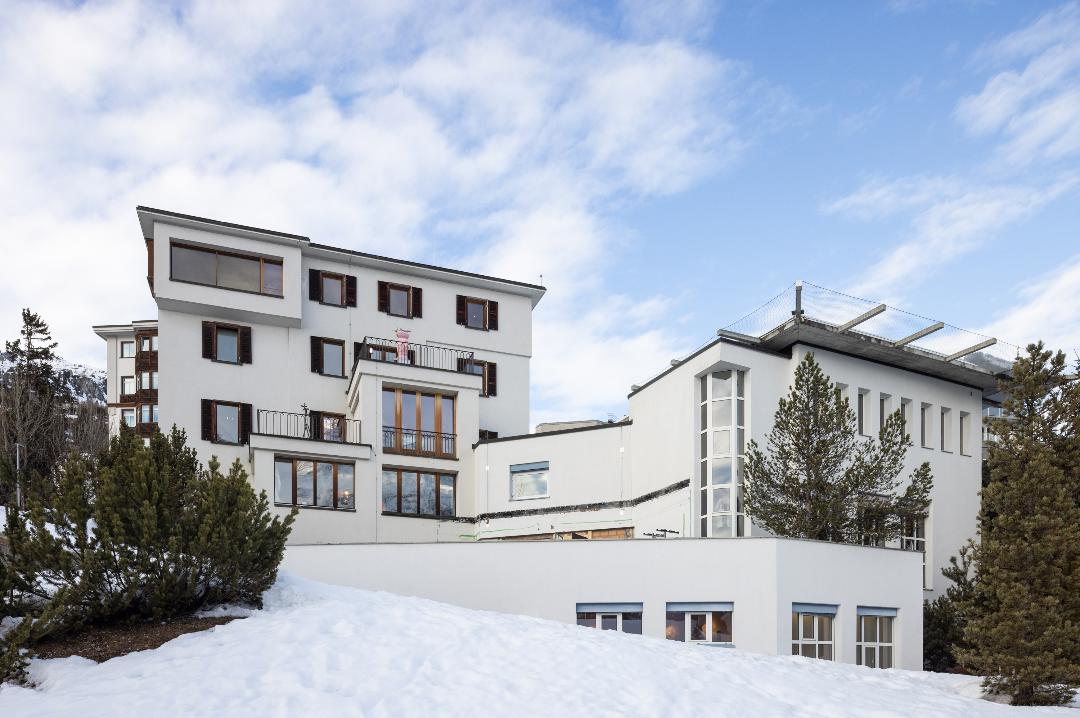
Negli spazi appena ristrutturati di Villa Beaulieu apre la nona edizione della fiera boutique, con venticinque gallerie per una “sequenza di ambienti” in cui si intrecciano arte, design da collezione, gioielleria e architettura
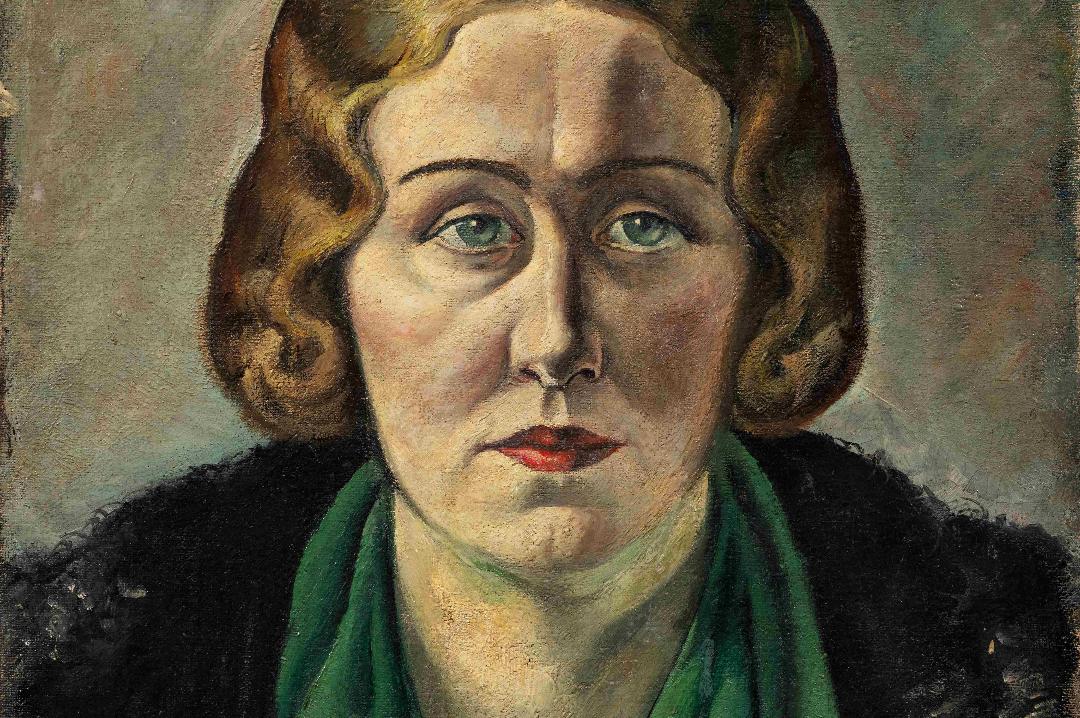
Pietro Cantore racconta l’edizione 2026, tra rigore scientifico, capolavori ritrovati e dialogo tra arti, collezionismo e territorio

