IL NUMERO DI LUGLIO-AGOSTO 2026 in edicola
IL NUMERO DI LUGLIO-AGOSTO 2026 in edicola
IL NUMERO DI LUGLIO-AGOSTO 2026 in edicola
IL NUMERO DI LUGLIO-AGOSTO 2026 in edicola
IL NUMERO DI LUGLIO-AGOSTO 2026 in edicola
IL NUMERO DI LUGLIO-AGOSTO 2026 in edicola
IL NUMERO DI LUGLIO-AGOSTO 2026 in edicola
IL NUMERO DI LUGLIO-AGOSTO 2026 in edicola


Verifica le date inserite: la data di inizio deve precedere quella di fine


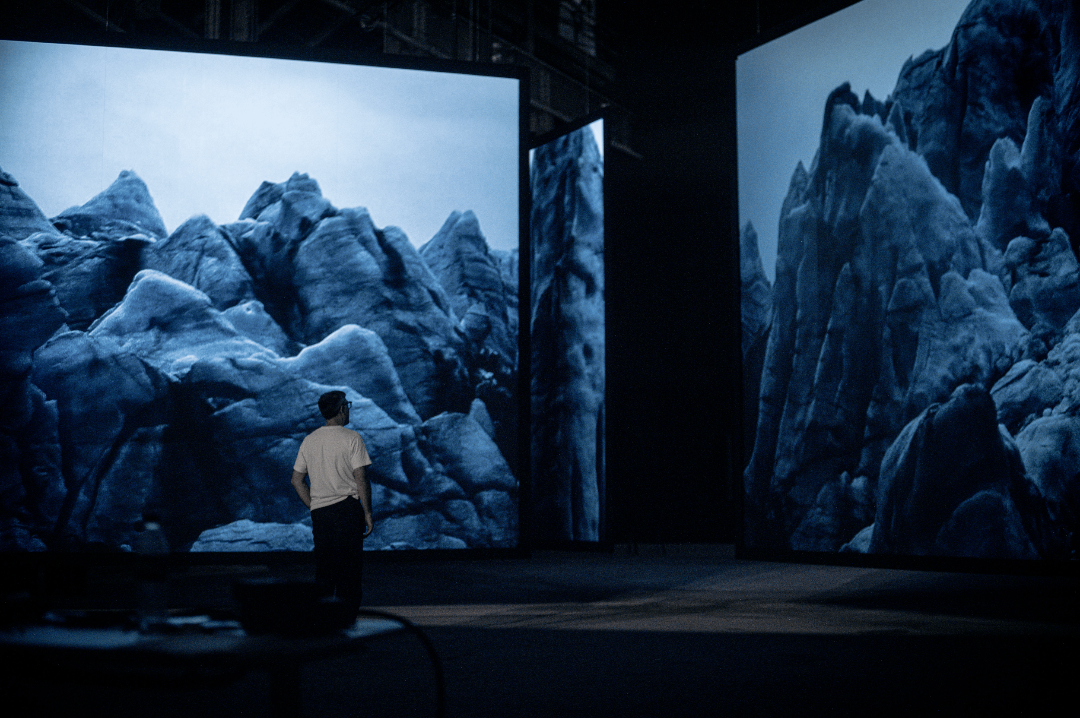
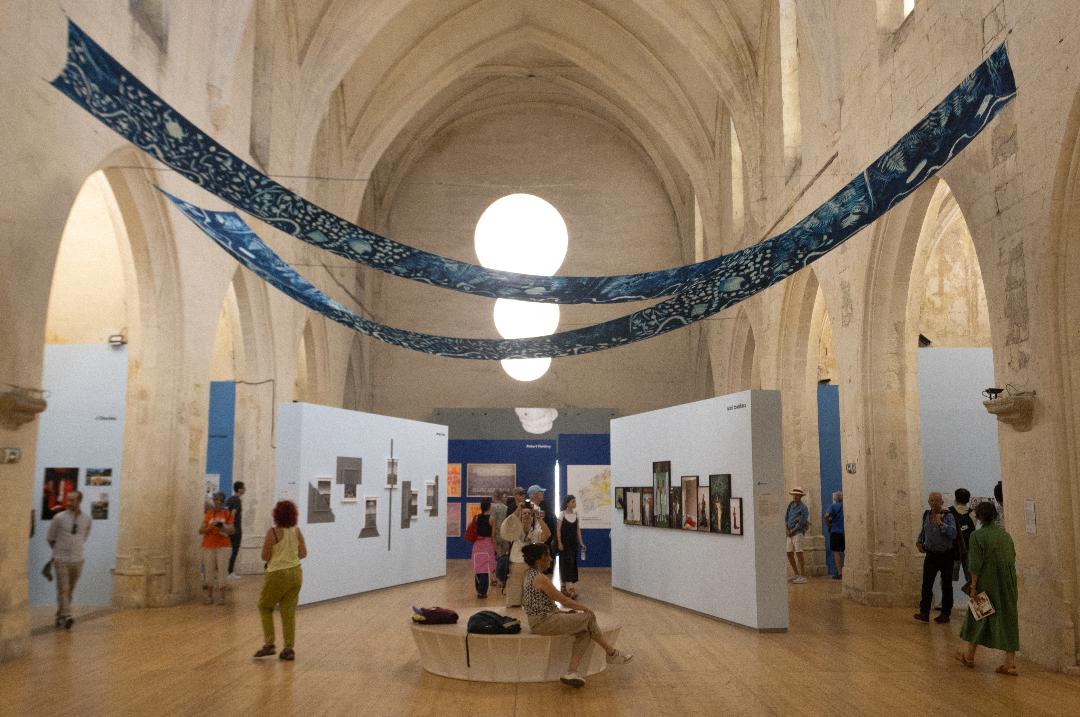
Soundwalk Collective & Patti Smith, CORRESPONDENCES, 2026 (Simone Merli). La Grande Halle, LUMA Arles, France.© Victor&Simon - Joana Luz
Quarto giorno da Arles | La Fondazione LUMA conquista il pubblico
Addetti ai lavori, curatori, artisti e fotografi sembrano concordare su un punto: quest’anno è impossibile lasciare Arles senza una visita alla LUMA
Rica Cerbarano
Leggi i suoi articoliPur non facendo parte del programma ufficiale dei Rencontres d’Arles, le mostre ospitate dalla Fondazione LUMA sono tra le più visitate e discusse della settimana inaugurale del festival. Sono dodici le esposizioni e i progetti attualmente in corso. Ne abbiamo scelti tre che, per motivi molto diversi tra loro, ci sono sembrati particolarmente significativi.
© Victor&Simon - Grégoire d’Ablon
Gerhard Richter, «Overpainted Photographs»
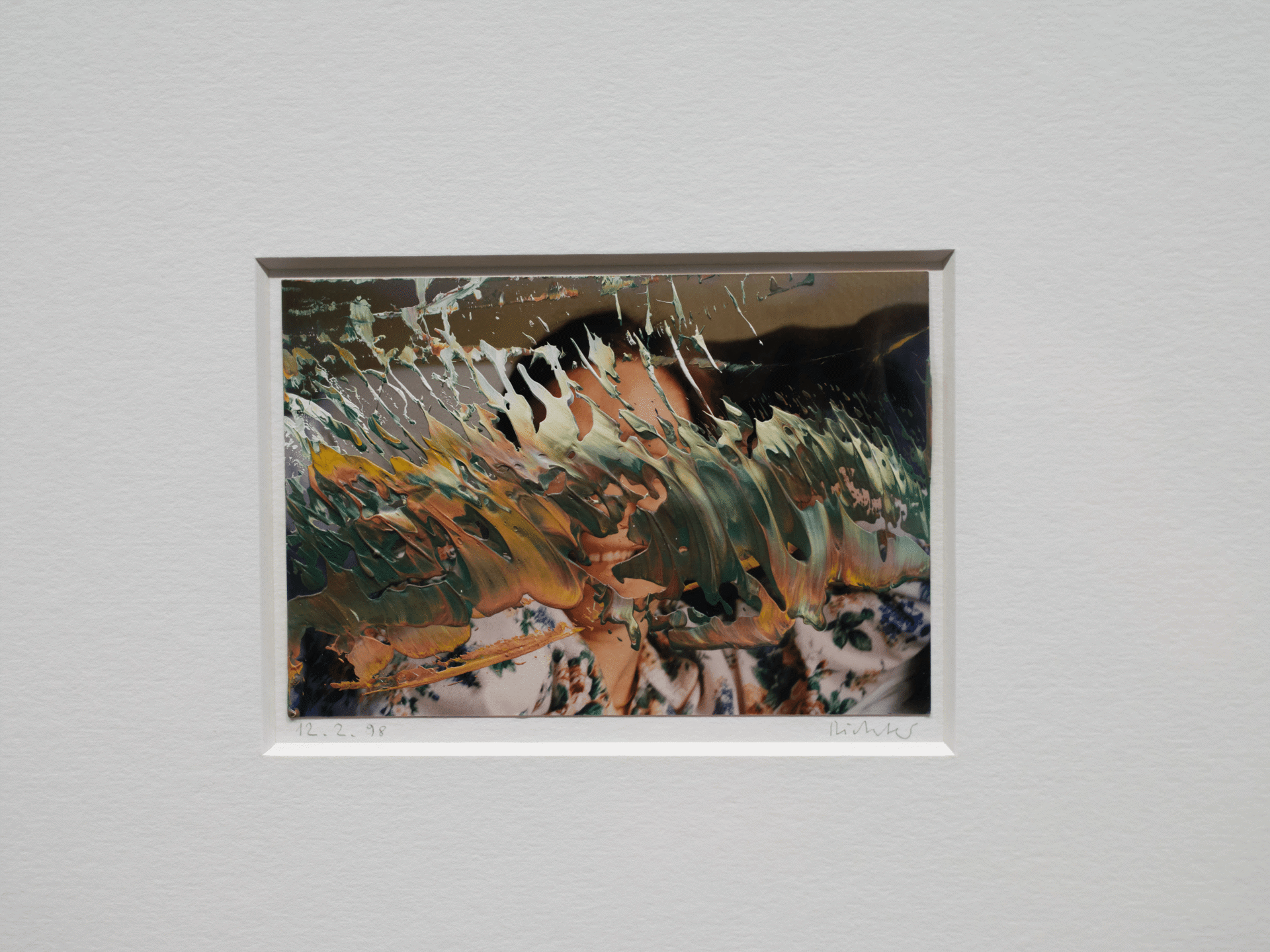
Dopo la grande mostra alla Fondation Cartier di Parigi, che durante Paris Photo 2025 aveva letteralmente catalizzato l'attenzione del pubblico, il rapporto tra Gerhard Richter e la fotografia trova ad Arles un nuovo approfondimento. Con «Overpainted Photographs» vengono presentate 116 opere di piccolo formato nelle quali Richter riflette sulla complementarità tra gesto fotografico e gesto pittorico. A partire dalla fine degli anni Ottanta, l’artista interviene su fotografie stampate applicando pittura a olio, smalto o vernice, che vengono spalmati, raschiati e trascinati sulla superficie dell’immagine. Il risultato è una forma espressiva ibrida, nella quale fotografia e pittura si trasformano reciprocamente fino a fondersi. Come afferma Richter in una citazione presente in mostra: «La fotografia non ha quasi alcuna realtà: è quasi al cento per cento immagine. La pittura, invece, possiede sempre una realtà: puoi toccare la vernice, ha una presenza fisica; e tuttavia produce sempre un’immagine. Una volta presi alcune piccole fotografie e ci spalmai sopra della pittura. In parte, questo risolse il problema». Il materiale di partenza proviene dall’archivio personale dell’artista: ritratti di famiglia, paesaggi, vedute urbane, fotografie di viaggio. Immagini ordinarie che, una volta «sovrapitturate», vengono sottratte alla loro funzione documentaria. L’immagine diventa instabile, aperta, irrisolta. Piccole composizioni dai contorni sfuggenti che spingono lo spettatore ad avvicinarsi al vetro della cornice per coglierne la materia, per poi allontanarsi nel tentativo di ricostruire una figura d’insieme. Le «Overpainted Photographs» condensano alcune delle questioni centrali della ricerca di Richter: l’’nstabilità della rappresentazione, i limiti della percezione e l’impossibilità di uno sguardo davvero neutrale, sempre esposto al dubbio e alla trasformazione.
© Camille Henrot. Courtesy of the artist, Mennour and Hauser & Wirth.
Camille Henrot «In the Veins»
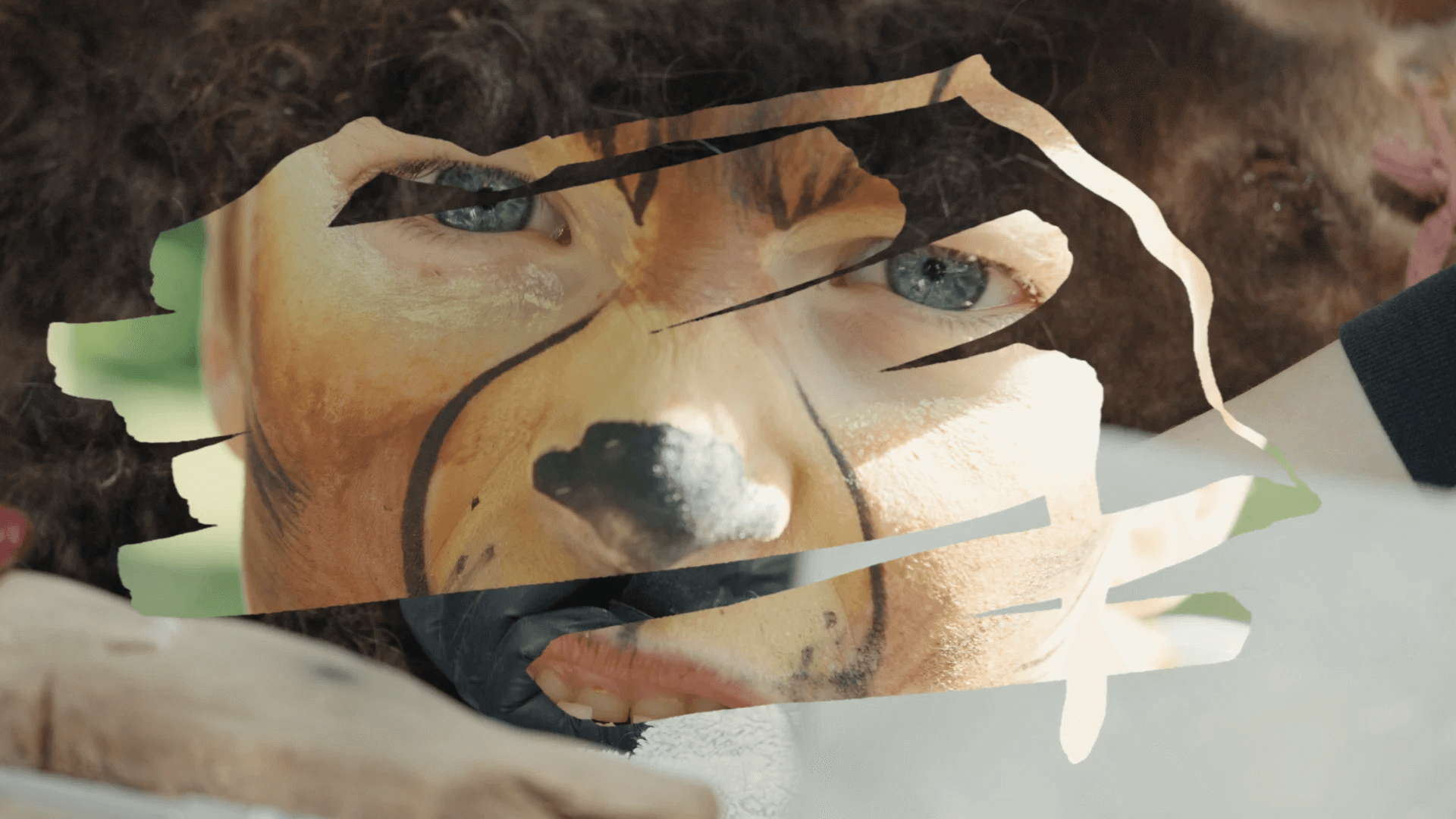
Considerata una delle voci più influenti di oggi, la francese Camille Henrot ha costruito negli ultimi vent’anni una pratica multidisciplinare che attraversa disegno, pittura, scultura, installazione e cinema, interrogando la complessità dell’esistenza contemporanea. L’opera video «In the Veins» affronta uno dei temi più urgenti del nostro tempo: cosa significa crescere dei figli in un’epoca segnata dalla crisi climatica e dall’estinzione di massa? Al centro del lavoro c'è il cosiddetto «lutto ecologico»: l'esperienza quotidiana di convivere con una perdita che appare irreversibile. Henrot riporta questa consapevolezza entro la dimensione domestica, dove amore, paura, responsabilità e cura assumono un’intensità ancora maggiore. Il montaggio alterna scene intime della vita familiare e ritratti dei figli dell’artista a dettagli ravvicinati di animali selvatici, insetti e animali domestici, fino a immagini girate nei centri di recupero della fauna selvatica, dove vengono curati animali feriti dalle conseguenze dirette dell’attività umana. L’opera prende avvio da una contraddizione semplice eppure profonda: gli animali popolano libri illustrati, giocattoli, canzoni e rappresentano uno dei primi strumenti attraverso cui i bambini imparano a dare un nome al mondo, ma molti di quegli stessi animali sono oggi minacciati, sfollati o destinati a scomparire. Attraverso un uso particolarmente raffinato del suono — la narrazione è affidata alla voce di una bambina che sembra leggere o interpretare un testo scritto per lei — il film riflette su questa dissonanza, interrogandosi su cosa significhi ereditare un immaginario ancora popolato di vita animale mentre si consegna alle nuove generazioni un pianeta profondamente compromesso. È un’opera commovente, di straordinaria semplicità formale ma intellettualmente sofisticata, capace di dare forma a un sentimento sempre più diffuso tra la generazione dei Millennials che oggi diventa genitore. Un tema però ancora raramente affrontato con lucidità dall’arte contemporanea.
© Victor&Simon - Joana Luz
Soundwalk Collective & Patti Smith, «Correspondences»
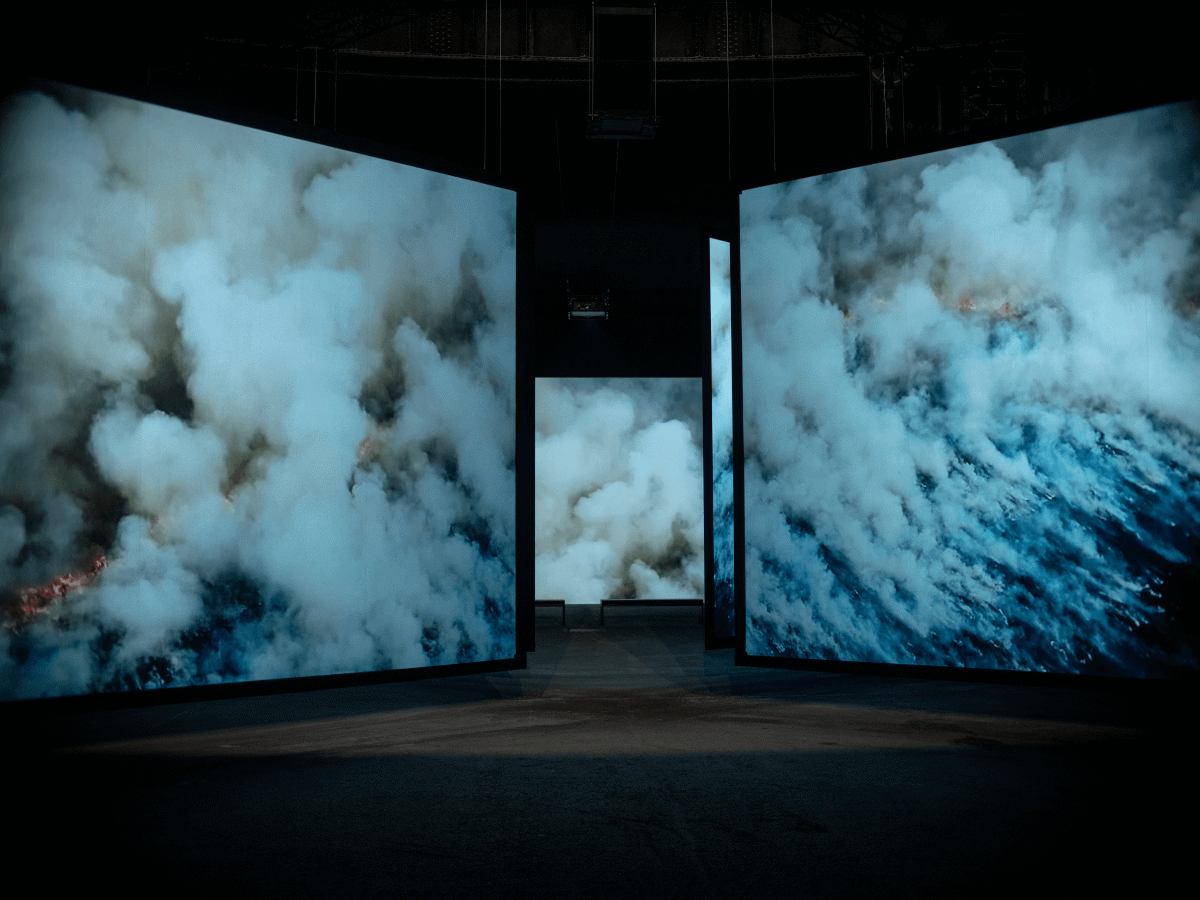
Tra i commenti che circolano nei «corridoi» dei Rencontres (o meglio, sui marciapiedi roventi di Arles), c’è chi la definisce già «la mostra più potente del festival». Presentata negli spazi monumentali della Grande Halle, «Correspondences» è un’installazione immersiva che assolve il ruolo di arrivare visceralmente alle persone, sollevando domande rispetto alla fragilità del presente. Il progetto nasce dalla collaborazione tra il Soundwalk Collective, guidato da Stephan Crasneanscki insieme al produttore Simone Merli, e Patti Smith. Frutto di oltre dieci anni di dialoghi e ricerche condivise, «Correspondences» intreccia suono, poesia e immagini per costruire paesaggi «sensoriali» nei quali arte, politica, scienza ed ecologia si incontrano. La mostra rappresenta la prima grande presentazione europea del progetto e riunisce tutte le opere audiovisive realizzate tra il 2023 e il 2026, insieme a due nuovi lavori commissionati da LUMA e ambientati in Camargue. Completano il percorso installazioni sonore, materiali d’archivio, fotografie e stampe. Sebbene la componente visiva sia imponente, è il suono il vero protagonista dell’esperienza. Le registrazioni ambientali raccolte nei luoghi più fragili del pianeta — ghiacciai in scioglimento, deserti, foreste, zone umide e territori contaminati — costruiscono un paesaggio acustico che viene attraversato dalle poesie e dalle canzoni di Patti Smith. La sua voce assume identità diverse, passando da un corpo all’altro, da una memoria all’altra, trasformandosi in una presenza quasi sciamanica. Intrecciati con immagini d’archivio e nuove riprese, questi paesaggi sonori mettono in discussione il primato della visione, lasciando che sia l’ascolto a plasmare, destabilizzare e ampliare il significato delle immagini. È forse proprio questo l’aspetto più interessante dell’intero progetto: ricordare, in un festival interamente dedicato alla fotografia, che vedere non è l’unico modo di comprendere il mondo.
Day Four in Arles | The LUMA Foundation Wins Over the Public
Industry insiders, curators, artists, and photographers all seem to agree on one thing: this year, it’s impossible to leave Arles without visiting LUMA.
Although not part of the official program of the Rencontres d’Arles, the exhibitions hosted by the LUMA Foundation are among the most visited and talked-about during the festival’s opening week. There are currently twelve exhibitions and projects on view. We’ve chosen three that, for very different reasons, struck us as particularly significant.
Gerhard Richter, “Overpainted Photographs”
Following the major exhibition at the Fondation Cartier in Paris—which literally captivated the public’s attention during Paris Photo 2025—the relationship between Gerhard Richter and photography is explored in greater depth in Arles. “Overpainted Photographs” presents 116 small-format works in which Richter reflects on the complementarity between the photographic gesture and the painterly gesture. Since the late 1980s, the artist has been working on printed photographs by applying oil paint, enamel, or varnish, which he spreads, scrapes, and drags across the surface of the image. The result is a hybrid form of expression in which photography and painting transform one another until they merge. As Richter states in a quote featured in the exhibition: “Photography has almost no reality: it is almost one hundred percent image. Painting, on the other hand, always possesses a reality: you can touch the paint; it has a physical presence; and yet it always produces an image. Once I took some small photographs and smeared paint over them. In part, this solved the problem.” The source material comes from the artist’s personal archive: family portraits, landscapes, cityscapes, and travel photographs. Ordinary images that, once “overpainted,” are stripped of their documentary function. The image becomes unstable, open, unresolved. Small compositions with elusive contours that prompt the viewer to move closer to the glass of the frame to grasp its texture, only to step back in an attempt to reconstruct the overall image. The “Overpainted Photographs” encapsulate some of the central issues in Richter’s work: the instability of representation, the limits of perception, and the impossibility of a truly neutral gaze, which is always subject to doubt and transformation.
Camille Henrot “In the Veins”
Considered one of today’s most influential voices, the French artist Camille Henrot has developed a multidisciplinary practice over the past twenty years that spans drawing, painting, sculpture, installation, and film, exploring the complexity of contemporary existence. The video work “In the Veins” addresses one of the most pressing issues of our time: what does it mean to raise children in an era marked by the climate crisis and mass extinction? At the heart of the work is what is known as “ecological grief”: the daily experience of living with a loss that seems irreversible. Henrot brings this awareness into the domestic sphere, where love, fear, responsibility, and care take on even greater intensity. The montage alternates between intimate scenes of family life and portraits of the artist’s children, close-ups of wild animals, insects, and pets, and footage shot at wildlife rehabilitation centers, where animals injured by the direct consequences of human activity are being treated. The work begins with a simple yet profound contradiction: animals populate picture books, toys, and songs, and represent one of the first tools through which children learn to name the world, yet many of those same animals are now threatened, displaced, or destined to disappear. Through a particularly refined use of sound—the narration is entrusted to the voice of a young girl who seems to be reading or interpreting a text written for her—the film reflects on this dissonance, questioning what it means to inherit an imagination still populated by animal life while bequeathing to future generations a deeply compromised planet. It is a moving work, one of extraordinary formal simplicity yet intellectually sophisticated, capable of giving voice to a sentiment that is increasingly widespread among the Millennial generation now becoming parents. A theme, however, that is still rarely addressed with clarity by contemporary art.
Soundwalk Collective & Patti Smith, “Correspondences”
Among the comments circulating in the “corridors” of the Rencontres (or rather, on the scorching sidewalks of Arles), some are already calling it “the most powerful exhibition of the festival.” Presented in the monumental spaces of the Grande Halle, “Correspondences” is an immersive installation designed to resonate viscerally with viewers, raising questions about the fragility of the present. The project stems from a collaboration between the Soundwalk Collective—led by Stephan Crasneanscki alongside producer Simone Merli—and Patti Smith. The result of over ten years of dialogue and shared research, “Correspondences” weaves together sound, poetry, and images to construct “sensory” landscapes where art, politics, science, and ecology converge. The exhibition marks the project’s first major European presentation and brings together all the audiovisual works created between 2023 and 2026, along with two new works commissioned by LUMA and set in the Camargue. Sound installations, archival materials, photographs, and prints round out the exhibition. Although the visual component is striking, sound is the true protagonist of the experience. Environmental recordings gathered from the planet’s most fragile places—melting glaciers, deserts, forests, wetlands, and contaminated sites—construct an acoustic landscape interwoven with the poems and songs of Patti Smith. Her voice takes on different identities, passing from one body to another, from one memory to another, transforming into an almost shamanic presence. Interwoven with archival footage and new footage, these soundscapes challenge the primacy of vision, allowing listening to shape, destabilize, and expand the meaning of the images. This is perhaps the most interesting aspect of the entire project: reminding us, at a festival entirely dedicated to photography, that seeing is not the only way to understand the world.
Rica Cerbarano, 09 luglio 2026 | © Riproduzione riservata
Rica Cerbarano
Leggi i suoi articoliAltri articoli dell'autore
Nella Project Room di Camera a Torino il grafico svizzero ha progettato anche l’allestimento: «un’installazione pensata come un’immersione nella lettura di un libro o la visione di un film»
The Glorious Mothers, per il terzo anno consecutivo alla Fondazione Pistoletto, ripensa l’esperienza della residenza d’artista per artiste con famiglia
Dal luogo al budget, dal pubblico al marketing, fino all’équipe: l’ex direttore dei Rencontres d’Arles passa in rassegna gli elementi essenziali per progettare un evento di successo
Sono oltre mille le manifestazioni sparse nel mondo. A questa proliferazione però non sempre corrisponde una diversificazione dei contenuti: alcuni esempi interessanti nel nostro Paese