

IL NUMERO DI GIUGNO 2026 in edicola
IL NUMERO DI GIUGNO 2026 in edicola
IL NUMERO DI GIUGNO 2026 in edicola
IL NUMERO DI GIUGNO 2026 in edicola
IL NUMERO DI GIUGNO 2026 in edicola
IL NUMERO DI GIUGNO 2026 in edicola
IL NUMERO DI GIUGNO 2026 in edicola
IL NUMERO DI GIUGNO 2026 in edicola


Verifica le date inserite: la data di inizio deve precedere quella di fine


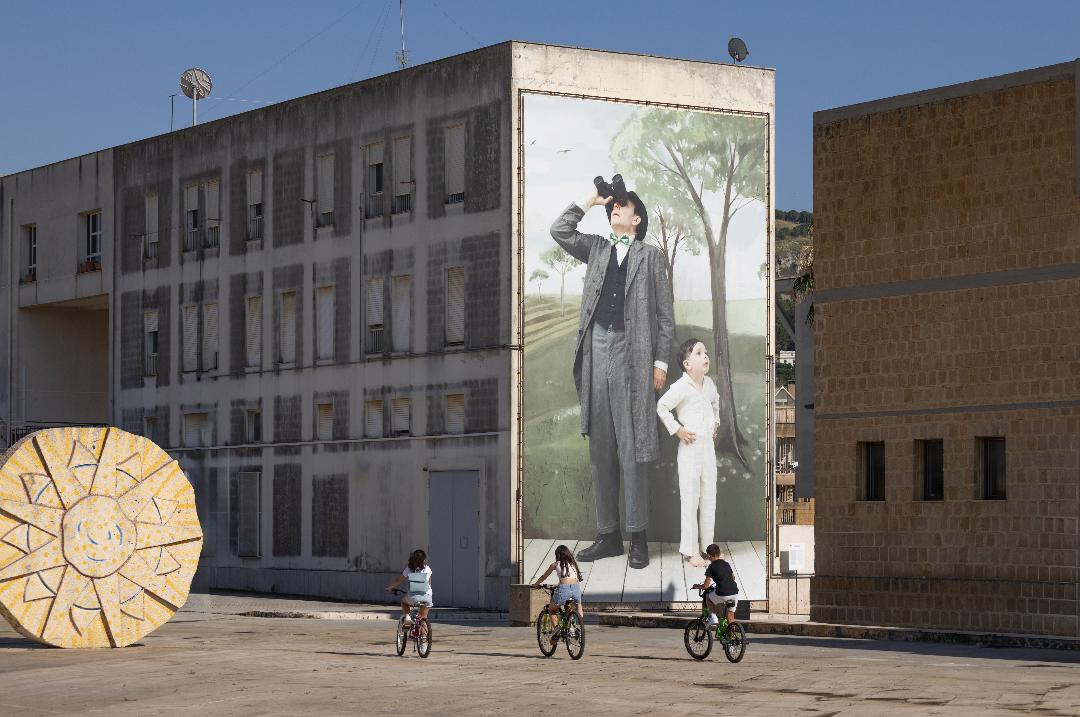
Paolo Ventura, «Una città quasi infinita», Gibellina Photoroad 2025
© Foto Giorgia Filipponi
Il futuro dei photo festival: suggerimenti per l’uso
Sono oltre mille le manifestazioni sparse nel mondo. A questa proliferazione però non sempre corrisponde una diversificazione dei contenuti: alcuni esempi interessanti nel nostro Paese
Rica Cerbarano
Leggi i suoi articoliSe c’è un fenomeno che ha segnato la storia della fotografia, i suoi sviluppi e la sua diffusione, è senz’altro quello dei festival. Chi l’avrebbe detto, nel 1970, che fondando i Rencontres d’Arles, Lucien Clergue, Michel Tournier e Jean-Maurice Rouquette avrebbero dato il via a una serie innumerevole di altre manifestazioni periodiche legate alla fotografia, costituendo un precedente storico senza paragoni e abbozzando le linee guida di un format che sarebbe diventato alla portata di tutti? Sembra infatti che tutti, oggi, possano creare un festival. In Francia e in Italia la situazione sta per sfuggire di mano. Sul sito dell’International Photography Festivals Association, un’organizzazione nata nel 2025 che unisce oltre mille festival di fotografia internazionali, se ne contano rispettivamente 148 in Francia e 81 in Italia. Seguono Spagna e Stati Uniti, con 78 e 77 festival registrati.
Se da un lato la diffusione di questi eventi stagionali, spesso realizzati in piccolissimi comuni, in una scala decisamente ridotta, tanto che possiamo parlare di «microfestival», è il segno di una buona vitalità del settore e, in alcuni casi, anche di un’accresciuta accessibilità culturale, dall’altro è legittimo notare che la quantità di eventi non corrisponde affatto alla diversificazione dei contenuti e degli approcci. In poche parole, i festival si assomigliano tutti. Ma andiamo per ordine.
C’era una volta il festival inteso come un luogo di incontro per presentare progetti inediti, scoprire talenti e rimanere aggiornati sulle ultime tendenze del settore. In quanto eventi dedicati agli addetti ai lavori (fotografi, curatori, photo editor, giornalisti) i festival hanno a lungo rappresentato una piattaforma di scambio professionale, una «piazza» in cui i diversi attori del sistema potessero riunirsi come una «grande famiglia».
Tuttavia, se i festival di fotografia sono stati, in passato, per lungo tempo considerati eventi annuali imperdibili per rimanere aggiornati sullo stato dell’ottava arte, in un mondo iperconnesso come quello in cui viviamo questa logica comincia a vacillare. Oggi le notizie circolano rapidamente sui social media e i fotografi non devono più aspettare di essere presi sotto l’ala di un curatore per rendere pubblico il proprio lavoro. Allo stesso modo, il pubblico può tenersi aggiornato senza dover acquistare un biglietto del treno, prenotare un albergo e pagare un ticket per visitare le mostre. Può, anzi, farlo comodamente dal proprio divano.
Ma non è solo questo il problema. La vera spada di Damocle è una pigrizia curatoriale latente, una tendenza a riciclare nomi e progetti, anche quando si tratta di artisti giovani, promesse di talento che spesso sono in realtà solo meteore, ma a cui viene data una visibilità irrazionale sulla base di riconoscimenti che arrivano a cascata, in una sorta di isteria di massa. Il grado di ricerca, sperimentazione e originalità che i festival, per la loro natura flessibile, aperta e informale, dovrebbero avere, sembra sepolto sotto una coltre di fumo che ha un nome ben preciso: il «tema», colui a cui ogni curatore fa voto di castità.
Aggiungiamo poi il fatto che siamo in un periodo di forte precarietà economica (quante persone, tra i Millennial e Gen Z, possono effettivamente permettersi di passare un weekend fuori porta «senza pensieri»?) e nel bel mezzo di una crisi geopolitica mondiale che fa passare, sinceramente, i vizi del mondo della cultura in secondo piano, ed ecco che i festival si svuotano. Di visitatori, ma ancora più di significato.
E quindi? C’è speranza per i photo festival? Certo che sì. A una condizione: che sia fatto un ragionamento serio e articolato sull’impatto territoriale. Che, in sostanza, i festival non si limitino a parlare agli addetti ai lavori o agli appassionati, ma amplino la loro portata a un pubblico che va ben oltre i consumatori di eventi culturali. Non attraverso mostre «mainstream» e «acchiappa ticket», ma mettendo in campo progetti che dialogano con le comunità locali, in un tentativo di superamento del ruolo con cui sono nati ma, allo stesso tempo, di ritorno all’origine del concetto di «festival», termine con cui storicamente si indicavano manifestazioni a carattere popolare, momenti di festività collettiva aperti alla cittadinanza, non solo agli appassionati di una disciplina artistica.
I festival devono aprirsi, dimenticarsi le cene esclusive riservate agli «ospiti» e investire in progetti costruiti sui e per i territori, utilizzando la fotografia per sollecitare il senso di appartenenza di chi vive, tutto l’anno, le strade, i quartieri, i centri in cui vengono allestite le mostre. Data la loro espansione capillare (la maggior parte sono infatti «diffusi» per le città), i festival hanno davvero la capacità di raggiungere persone che mai entrerebbero in un museo. Ci sembra poco?
In Italia ci sono alcuni rari esempi interessanti. Fotografia Europea, a Reggio Emilia, ogni edizione produce un commissionato sul territorio: quest’anno è stata invitata Simona Ghizzoni, che ha fatto uno splendido lavoro collaborativo con l’obiettivo di risignificare il quartiere della stazione di Reggio Emilia, coinvolgendo un gruppo di donne della zona che sono a tutti gli effetti coautrici del progetto; dal 2022, Cortona On The Move, in un contesto profondamente segnato dal turismo, ha introdotto il biglietto gratuito per i residenti, nella speranza che questo possa allargare la platea di visitatori locali; PhEST, a Monopoli (Ba), ha dimostrato grande attenzione al coinvolgimento degli abitanti sin dalla primissima edizione nel 2016, con «I Gladiatori di Nettuno» di Piero Martinello, il quale ha fotografato i volti segnati dei pescatori, emblema identitario della cittadina pugliese. Infine, tra gli eventi dell’estate, quest’anno Gibellina Photoroad presenta un’installazione open-air dell’artista Erik Kessels, nata da una lunga ricerca condotta insieme agli abitanti di Gibellina attraverso fotografie provenienti da album di famiglia e archivi cittadini.
Nell’ottica di coinvolgere la popolazione e intercettare pubblici eterogenei, lo spazio pubblico è, ovviamente, una delle soluzioni più efficaci. Ed è per questo che vale la pena riflettere sulla delicatezza di innestare la propria presenza nel tessuto urbano, evitando di farlo solo a fini comunicativi (ergo, per farsi «pubblicità»). Collocare installazioni fotografiche nello spazio urbano è un gesto delicato, che va fatto con cautela e con attenzione verso il tipo di storie e immagini che vengono «imposte» a uno sguardo non intenzionale.
Chi organizza e cura un festival deve rendersi conto della responsabilità culturale, sociale e politica che accompagna ogni scelta. Da una parte, c’è la responsabilità di offrire a un pubblico di addetti ai lavori il modo per approfondire i linguaggi contemporanei del medium fotografico, dando spazio a quelle pratiche che difficilmente compaiono nei contesti più istituzionali. Dall’altra parte, la responsabilità verso il pubblico generalista, o meglio ancora il non pubblico: quelle persone che non varcherebbero mai la soglia di una galleria e che, grazie all’imprevedibilità dei festival, incontrano anche solo una fotografia che può far nascere in loro considerazioni inaspettate. Possiamo continuare a far finta che il mondo sia quello di vent’anni fa, ma le cose sono cambiate. Se il settore si regge sempre sulle stesse logiche, la società sta muovendo grandi passi avanti, e anche molti indietro. Ed è allora in questa tensione che i festival sono chiamati a svolgere un ruolo importante: quello di rappresentare le istanze dell’attualità e di farsi portavoce del periodo storico che stiamo vivendo, attraverso l’immediatezza e la potenza della fotografia. Come fare? Un suggerimento: forse è tempo di lasciare il passo alle «nuove» generazioni?
The future of photography festivals: tips for use
If there is one phenomenon that has shaped the history of photography, its development and its dissemination, it is undoubtedly that of festivals. Who could have imagine, back in 1970, that by founding the Rencontres d’Arles, Lucien Clergue, Michel Tournier and Jean-Maurice Rouquette would have set in motion a countless series of other recurring events devoted to photography, establishing an unparalleled historical precedent and laying the groundwork for a format that would become accessible to everyone? Indeed, it seems that anyone can organise a festival these days. In France and Italy, the situation is getting out of hand. On the website of the International Photography Festivals Association, an organisation founded in 2025 that brings together over 1,000 international photography festivals, there are 148 in France and 81 in Italy respectively. Spain and the United States follow, with 78 and 77 registered festivals.
Whilst, on the one hand, the proliferation of these seasonal events, often held in very small towns on a decidedly modest scale, so much so that we might call them «micro-festivals», is a sign of the sector’s vitality and, in some cases, even of greater cultural accessibility, on the other hand it is fair to point out that the sheer number of events does not at all correspond to a diversification of content and approaches. Put simply, the festivals all look the same. But let’s take it one step at a time.
Once upon a time, a festival was seen as a meeting place to present new projects, discover talent and keep up to date with the latest trends in the sector. As events dedicated to industry professionals (photographers, curators, editors, journalists), festivals have long served as a platform for professional exchange, a «public square» where the various players in the system could come together as one «big family».
However, whilst photography festivals were, for a long time in the past, considered unmissable annual events for keeping up to date with the state of the eighth art, in a hyper-connected world such as the one we live in, this logic is beginning to falter. Today, news circulates rapidly on social media, and photographers no longer have to wait to be taken under a curator’s wing to showcase their work. Similarly, the public can keep up to date without having to buy a train ticket, book a hotel or pay an admission fee to visit exhibitions. Indeed, they can do so from the comfort of their own sofa.
But that is not the only problem. The real sword of Damocles is a latent curatorial laziness, a tendency to recycle names and projects, even when it comes to young artists, promising talents who are often, in reality, merely shooting stars, yet who are granted irrational visibility on the basis of accolades that cascade down, in a sort of mass hysteria. The level of research, experimentation and originality that festivals, by their flexible, open and informal nature, ought to embody seems buried beneath a smokescreen that has a very specific name: the «theme», to which every curator swears an oath of chastity.
Add to this the fact that we are in a period of severe economic precariousness (how many people, among Millennials and Gen Z, can actually afford to spend a «carefree» weekend away?) and in the midst of a global geopolitical crisis which, frankly, pushes the shortcomings of the cultural world into the background, and so the festivals are emptying. Of visitors, but even more so of meaning.
So what now? Is there hope for photo festivals? Of course there is. On one condition: that a serious and well-thought-out analysis of their local impact is carried out. In essence, festivals must not limit themselves to addressing industry professionals or enthusiasts, but must broaden their reach to an audience that goes far beyond mere consumers of cultural events. Not through «mainstream» or «ticket-grabbing» exhibitions, but by implementing projects that engage with local communities, in an attempt to move beyond the role for which they were originally conceived whilst, at the same time, returning to the origins of the concept of a «festival», a term which historically referred to popular events, moments of collective celebration open to the general public, not just to enthusiasts of a particular art form.
Festivals must open up, do away with exclusive dinners reserved for «guests» and invest in projects built on and for local areas, using photography to foster a sense of belonging among those who live, all year round, on the streets, in the neighbourhoods and in the town centres where the exhibitions are staged. Given their widespread reach (most are, in fact, «scattered» throughout cities), festivals truly have the capacity to reach people who would never set foot in a museum. Is that not enough?
In Italy, there are a few rare and interesting examples. Fotografia Europea, in Reggio Emilia, commissions a project specific to the local area for each edition: this year, Simona Ghizzoni was invited to carry out a splendid collaborative project aimed at reimagining the station district of Reggio Emilia, involving a group of local women who are, to all intents and purposes, co-authors of the project; since 2022, Cortona On The Move, in a context heavily influenced by tourism, has introduced free admission for residents, in the hope that this will broaden the audience of local visitors; PhEST, in Monopoli (Ba), has shown great commitment to involving local residents right from its very first edition in 2016, with Piero Martinello’s «I Gladiatori di Nettuno», in which he photographed the weather-beaten faces of the fishermen, a symbol of the Apulian town’s identity. Finally, amongst this summer’s events, Gibellina Photoroad presents an open-air installation by the artist Erik Kessels, born out of extensive research conducted alongside the residents of Gibellina using photographs from family albums and municipal archives.
With a view to engaging the local population and reaching diverse audiences, public space is, of course, one of the most effective solutions. And this is why it is worth reflecting on the sensitivity involved in inserting one’s presence into the urban fabric, whilst avoiding doing so solely for communicative purposes (i.e., to «advertise» the event). Placing photographic installations in urban spaces is a delicate act, which must be carried out with caution and with attention to the kind of stories and images that are «imposed» on an unwitting viewer.
Those who organise and curate a festival must be aware of the cultural, social and political responsibility that accompanies every decision. On the one hand, there is the responsibility to offer an audience of professionals the opportunity to explore the contemporary languages of the photographic medium in depth, giving space to those practices that rarely feature in more institutional contexts. On the other hand, there is a responsibility towards the general public, or rather, the «non-public»: those people who would never set foot in a gallery and who, thanks to the unpredictability of festivals, might encounter even just a single photograph capable of sparking unexpected reflections within them. We can continue to pretend that the world is the same as it was twenty years ago, but things have changed. Whilst the sector continues to operate according to the same logic, society is taking great strides forward, and also many steps backwards. And it is within this tension that festivals are called upon to play an important role: that of representing the issues of the day and acting as a voice for the historical period we are living through, through the immediacy and power of photography. How can this be achieved? A suggestion: perhaps it is time to make way for the «new» generations?
Rica Cerbarano, 25 giugno 2026 | © Riproduzione riservata

