

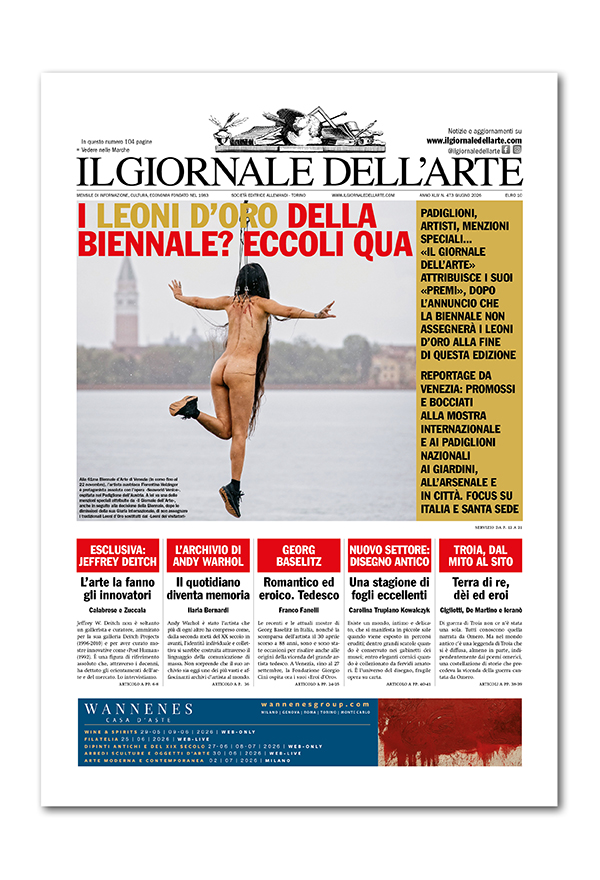
IL NUMERO DI GIUGNO 2026 in edicola
IL NUMERO DI GIUGNO 2026 in edicola
IL NUMERO DI GIUGNO 2026 in edicola
IL NUMERO DI GIUGNO 2026 in edicola
IL NUMERO DI GIUGNO 2026 in edicola
IL NUMERO DI GIUGNO 2026 in edicola
IL NUMERO DI GIUGNO 2026 in edicola
IL NUMERO DI GIUGNO 2026 in edicola


Verifica le date inserite: la data di inizio deve precedere quella di fine


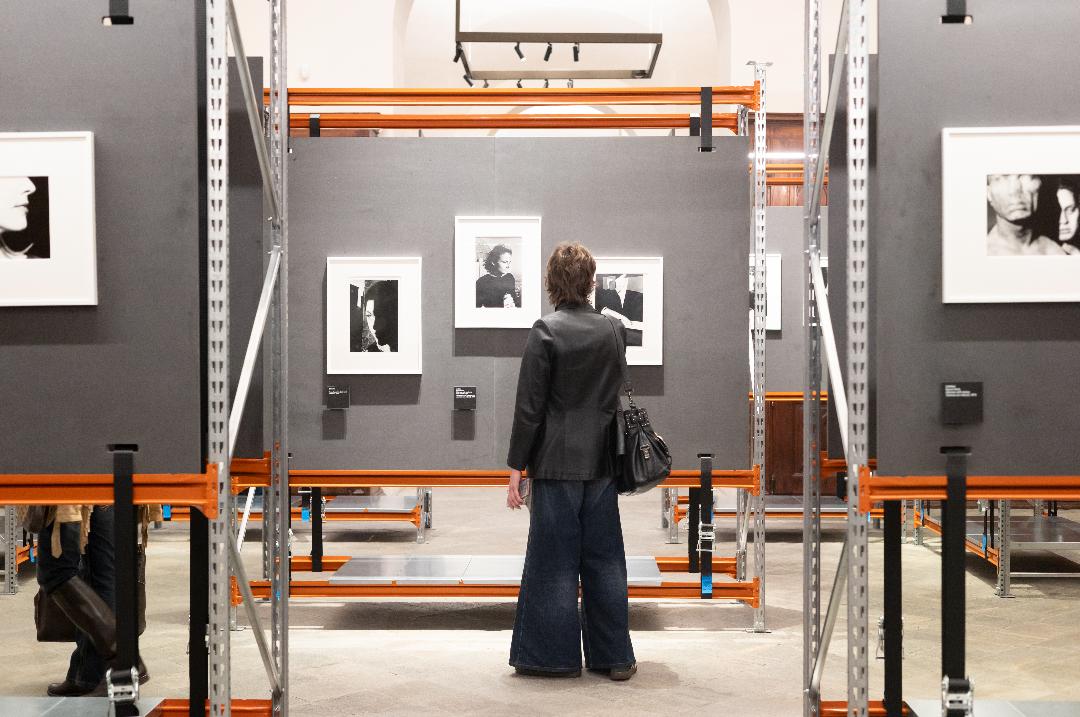
Exposed 2026, Mostra di Ralph Gibson
© Sofia Valabrega
L’ascesa dei festival fotografici: una panoramica storica per comprenderne il presente
Quei cinque giorni dell’estate del 1970 hanno dato il via ai Rencontres de la Photographie di Arles per come li conosciamo oggi e a un fenomeno che nel corso dei decenni è cresciuto, si è diffuso dapprima in Europa e poi in tutto il mondo, e che appare ben lungi dall’esaurirsi
Walter Guadagnini
Leggi i suoi articoliIn principio erano tre righe al piede di una locandina: «et pour la première fois Rencontres Photographiques du 29 juin au 3 juillet : expositions / débats / projections», cinque giorni, all’interno dello storico festival della cittadina provenzale Arles, dedicato in particolare allo spettacolo, tauromachie comprese. Eppure, quei cinque giorni dell’estate del 1970 hanno dato il via a un fenomeno che nel corso dei decenni è cresciuto, si è diffuso dapprima in Europa e poi in tutto il mondo, e che appare ben lungi dall’esaurirsi, vale a dire quello dei festival fotografici. Ed è significativo notare come la formula fondamentale sia, pur ovviamente declinata in mille modi differenti, rimasta la stessa: mostre, dibattiti, proiezioni, tutte nello stesso luogo, sia esso una cittadina o una grande città, per un periodo relativamente breve di tempo, il cui successo dipende, oltre che dalla critica e dal numero di visitatori, dalla capacità di trasformare l’evento in una sorta di collettore di tutte le varie figure che compongono e animano il mondo fotografico.
Una formula che ha resistito nel tempo, evolvendosi ma non snaturandosi e che nasce da almeno due delle caratteristiche che differenziano il mondo della fotografia da quello delle arti tradizionali: da un lato la semplicità e la duttilità della gestione pratica dei materiali da esporre, dalle piccole stampein cornice fino alla loro trasformazione in elementi a dimensione urbana (si vedano a proposito di quest’ultima i casi esemplari dei festival di Images Vevey in Svizzera e di Gibellina Photoroad in Italia); dall’altro, la commistione tra pratiche professionali e pratiche artistiche, per cui in una stessa area si incontrano e convivono conoscenze, esigenze ed esperienze assai diverse tra loro, che hanno come denominatore comune l’utilizzo dello stesso strumento e l’appartenenza a una comunità che nella centralità di quello strumento si riconosce.
D’altra parte, non si può dimenticare che l’origine arlesiana del fenomeno non è casuale, anche in questo caso per due ragioni. La prima è storica, poiché due dei tre iniziatori dei Rencontres, il fotografo Lucien Clergue e lo studioso Jean-Maurice Rouquette (il terzo era il grande scrittore Michel Tournier) erano stati cinque anni prima all’origine della prima raccolta pubblica francese di fotografia all’interno di un museo, il Musée Réattu della cittadina provenzale: la fotografia vive proprio in questi anni il suo percorso di istituzionalizzazione e assai rapidamente quella piccola comunità costruisce le occasioni per incontrarsi e per manifestarsi in modi nuovi, iniziando quel progressivo scivolamento dalle pagine dei giornali e libri alle pareti dei musei e della gallerie (e alle aule delle accademie e delle università) che caratterizzerà gli ultimi decenni del XX secolo.
La seconda ragione è più prosaica, ma a sua volta spiega almeno in parte le geografie della sua diffusione, ed è legata alla natura partecipativa della manifestazione, che induce a privilegiare luoghi di dimensioni non troppo grandi e situati in aree geografiche favorite da un clima che permetta e incentivi la dimensione conviviale, la condivisione degli spazi oltre che degli interessi (la ricerca di festival fotografici in aree nordiche e stagioni rigide dà risultati scarsi, inversamente proporzionali alla presenza in quelle aree di musei e istituzioni dedicate alla stessa disciplina).
Individuate le origini, si possono segnalare alcuni dei momenti più significativi della diffusione su scala mondiale di queste manifestazioni, rinunciando ovviamente alla completezza per privilegiare l’esemplarità, evitando la redazione di un elenco che sarebbe tanto corposo quanto noioso.
Una decina di anni dopo Arles, nasce un altro fenomeno a suo modo fondante, il FotoFest di Houston, ideato nel 1983 e la cui prima edizione si svolge nel 1986. Anche in questo caso, almeno due sono le ragioni della sua esemplarità: la prima è la cadenza, che da subito si dà come biennale, allineandosi a quella che è la pratica più diffusa delle grandi manifestazioni artistiche, che necessitano di tempi organizzativi e di realizzazione più complessi da ogni punto di vista. Da questo momento in poi, alcuni festival (la maggior parte) avranno cadenza annuale, altri biennale (ad esempio la pionieristica omonima esperienza torinese nata nel 1985, importante in quanto primo esempio italiano, durato abbastanza a lungo per lasciare una traccia importante nel panorama fotografico nazionale, ereditata a inizio millennio da Fotografia Europea a Reggio Emilia), altri ancora più dilatata, come nel caso della Triennale der Photographie di Amburgo giunta oggi alla sua nona edizione, il cui svolgimento si avvicina però maggiormente ai modelli artistici.
Altrettanto se non più importante è il secondo elemento che caratterizza FotoFest, vale a dire la centralità del momento dell’incontro tra i professionisti del settore e tutti coloro i quali, a diverso titolo, sperano di diventarlo, vale a dire la leggendaria, tragica per alcuni, esaltante per altri, in ogni caso immancabile, lettura portfoli. Quel «débat» che si leggeva nella prima locandina di Arles è diventato soprattutto questo, la sottomissione del portfolio all’esperto, sia esso photo editor, fotografo o, più di recente, direttore di museo o curatore: la specificità di Houston è stata quella di trasformare un momento di contorno rispetto a quello espositivo nel momento centrale della manifestazione. Nella città texana si va soprattutto per partecipare al «Meeting Place», momento che coinvolge centinaia di persone che ogni anno arrivano a pagare sino a 1.300 dollari per poter incontrare per 20 minuti 16 specialisti in 4 giorni (dati dell’edizione 2026, dal 7 marzo al 10 maggio), nella speranza che questo incontro rappresenti la svolta di una carriera, o almeno un proficuo momento di confronto sul lavoro.
Un modello, questo, diffusosi a sua volta nei vari festival in giro per il mondo, da PHotoEspaña a Madrid (che giunta alla sua ventinovesima edizione merita di essere segnalata non solo per longevità, ma per il fatto di essere tra le poche a svolgersi in una grande metropoli, fornendo un altro possibile modello, cui per taluni aspetti si avvicina il giovanissimo Exposed torinese), al giapponese Kyotographie nato nel 2013, fino ai festival di Lishui nato nel 2004 e il Jimei x Arles nato proprio dalla collaborazione con il festival francese nel 2014, entrambi punte di una diffusione della fotografia contemporanea in Cina, che ha ulteriormente modificato il panorama espositivo e collezionistico mondiale nel nuovo millennio.
A questo proposito è giusto porre l’accento su un ulteriore elemento caratterizzante in positivo questa formula, vale a dire il ruolo fondamentale che ha avuto nel diffondere la conoscenza della fotografia di aree geografiche e culturali da sempre considerate periferiche e quindi marginali. L’esempio più calzante è senza dubbio quello relativo alla fotografia africana, che proprio dai pionieristici Rencontres de la photographie africaine, tenutisi per la prima volta a Bamako in Mali nel 1994, ha ricevuto una delle prime e più significative spinte a quel riconoscimento su scala planetaria che fa sì che i Rencontres di Arles di quest’anno abbiano come mostra portante un’inedita ricognizione storica dal titolo «Ghana!», affiancata da personali dedicate all’ivoriano Paul Kodjo, al congolese Sammy Baloij (presente peraltro alla Biennale veneziana tuttora in corso), alla franco-algerina Katia Kameli e al lesothiano Thato Toeba. Quarant’anni fa, a Houston, protagonisti erano la fotografia inglese contemporanea, dieci fotografi italiani, naturalmente tanti fotografi americani e dodici fotografi canadesi: non solo la localizzazione dei festival fotografici, ma anche i loro programmi espositivi possono risultare utili strumenti per capire le direzioni in cui si muove la cultura, non solo fotografica, mondiale.
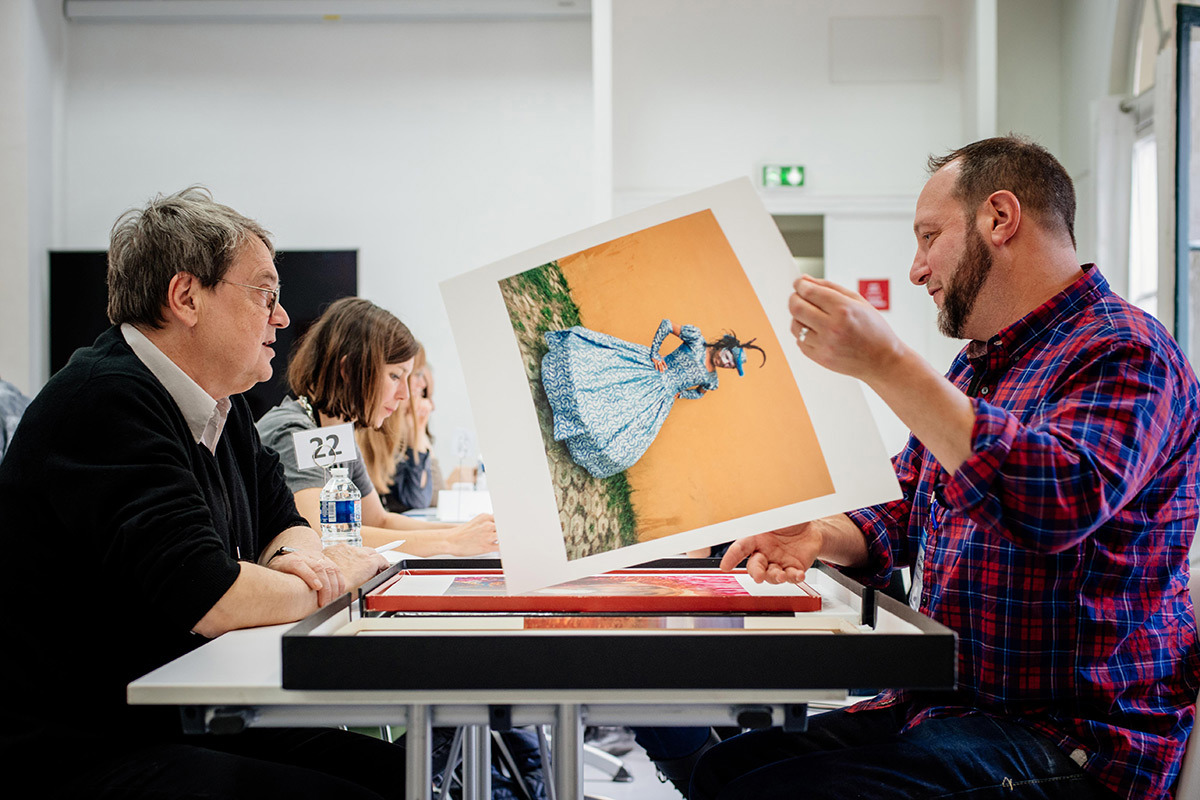
Fotofest Meeting Places Paris 2019. © Mahdi Aridj
The rise of photography festivals: a historical overview to understand their current state
It all began with three lines at the bottom of a poster: «et pour la première fois Rencontres Photographiques du 29 juin au 3 juillet : expositions / débats / projections», five days as part of the historic festival in the Provençal town of Arles, dedicated in particular to the performing arts, including bullfighting. Yet those five days in the summer of 1970 marked the beginning of a phenomenon that has grown over the decades, spreading first across Europe and then throughout the world, and which shows no sign of abating: namely, that of photography festivals. It is significant to note that the fundamental formula, whilst obviously taking a thousand different forms, has remained the same: exhibitions, debates and screenings, all in the same place, be it a small town or a major city, for a relatively short period of time, the success of which depends not only on critical acclaim and visitor numbers, but also on the ability to transform the event into a sort of hub for all the various figures who make up and bring the world of photography to life.
A formula that has stood the test of time, evolving without losing its essence, and which stems from at least two of the characteristics that distinguish the world of photography from that of the traditional arts: on the one hand, the simplicity and flexibility of the practical handling of the materials to be exhibited, ranging from small framed prints to their transformation into large-scale urban installations (see, in this regard, the exemplary cases of the Images Vevey festival in Switzerland and the Gibellina Photoroad festival in Italy); on the other hand, the blending of professional and artistic practices, whereby knowledge, needs and experiences that are very different from one another meet and coexist within the same sphere, sharing as their common denominator the use of the same medium and membership of a community that recognises itself in the centrality of that medium.
Furthermore, one must not forget that the Arlesian origins of the phenomenon are no coincidence, again for two reasons. The first is historical, since two of the three founders of the Rencontres, the photographer Lucien Clergue and the scholar Jean-Maurice Rouquette (the third being the great writer Michel Tournier), had, five years earlier, been behind the first public collection of photography in a French museum, the Musée Réattu in the Provençal town: it was precisely during these years that photography was undergoing its process of institutionalisation, and very quickly that small community created opportunities to meet and express itself in new ways, initiating that gradual shift from the pages of newspapers and books to the walls of museums and galleries (and to the lecture theatres of art schools and universities) that would characterise the final decades of the 20th century.
The second reason is more prosaic, but in turn explains, at least in part, the geographical patterns of its spread, and is linked to the participatory nature of the event, which tends to favour venues that are not too large and situated in geographical areas blessed with a climate that allows for and encourages a convivial atmosphere, the sharing of spaces as well as interests (a search for photography festivals in northern regions with harsh winters yields scant results, inversely proportional to the presence in those areas of museums and institutions dedicated to the same discipline).
Having identified the origins, we can highlight some of the most significant milestones in the worldwide spread of these events, naturally foregoing comprehensiveness in favour of illustrative examples, and avoiding the compilation of a list that would be as lengthy as it would be tedious.
About a decade after Arles, another phenomenon emerged that was, in its own way, seminal: the Houston FotoFest, conceived in 1983 and whose first edition took place in 1986. Here too, there are at least two reasons why it stands out: the first is its frequency, which was established from the outset as a biennial event, in line with the most widespread practice among major artistic events, which require more complex organisational and production timescales from every point of view. From this point onwards, some festivals (the majority) would be held annually, others biennially (for example, the pioneering Turin event of the same name, launched in 1985, which was significant as the first Italian example and lasted long enough to leave a significant mark on the national photographic scene, before being succeeded at the start of the millennium by Fotografia Europea in Reggio Emilia), whilst others have an even longer cycle, as in the case of the Hamburg Triennale der Photographie, now in its ninth edition, the format of which, however, is closer to that of art festivals.
Equally, if not more, important is the second element that characterises FotoFest, namely the central role played by the moment when industry professionals meet all those who, in various capacities, hope to join their ranks – that is to say, the legendary, tragic for some, exhilarating for others, but in any case unmissable, portfolio review. That ‘débat’ featured on the first Arles poster has come to mean, above all, the submission of a portfolio to an expert, be it a photo editor, a photographer or, more recently, a museum director or curator: Houston’s distinctive feature has been to transform what was once a side event to the exhibition into the central focus of the festival. People head to the Texan city primarily to take part in the ‘Meeting Place’, an event involving hundreds of people who, each year, pay up to $1,300 to meet 16 specialists for 20 minutes over four days (figures for the 2026 edition, from 7 March to 10 May), in the hope that this encounter will mark a turning point in their career, or at least provide a fruitful opportunity to discuss their work.
This model has, in turn, spread to various festivals around the world, from PHotoEspaña in Madrid (now in its twenty-ninth edition, it deserves a mention not only for its longevity but also for being one of the few to take place in a major metropolis, offering another possible model, one which, in some respects, is similar to the very young Exposed in Turin), to the Japanese Kyotographie, founded in 2013, and on to the festivals of Lishui, founded in 2004, and Jimei x Arles, born precisely from a collaboration with the French festival in 2014; both are at the forefront of the spread of contemporary photography in China, which has further transformed the global exhibition and collecting landscape in the new millennium.
In this regard, it is worth emphasising a further element that positively characterises this model, namely the fundamental role it has played in raising awareness of photography from geographical and cultural areas that have always been considered peripheral and therefore marginal. The most apt example is undoubtedly that of African photography, which, thanks to the pioneering Rencontres de la photographie africaine, held for the first time in Bamako, Mali, in 1994, received one of the earliest and most significant boosts towards that global recognition which has led to this year’s Rencontres d’Arles featuring as its centrepiece an unprecedented historical survey entitled «Ghana!» , accompanied by solo exhibitions dedicated to the Ivorian Paul Kodjo, the Congolese Sammy Baloij (who is also exhibiting at the Venice Biennale, currently underway), the Franco-Algerian Katia Kameli and the Lesothan Thato Toeba. Forty years ago, in Houston, the focus was on contemporary British photography, ten Italian photographers, naturally many American photographers and twelve Canadian photographers: not only the locations of photography festivals, but also their exhibition programmes can prove useful tools for understanding the directions in which global culture, not just photographic culture, is moving.
Walter Guadagnini, 29 giugno 2026 | © Riproduzione riservata

