

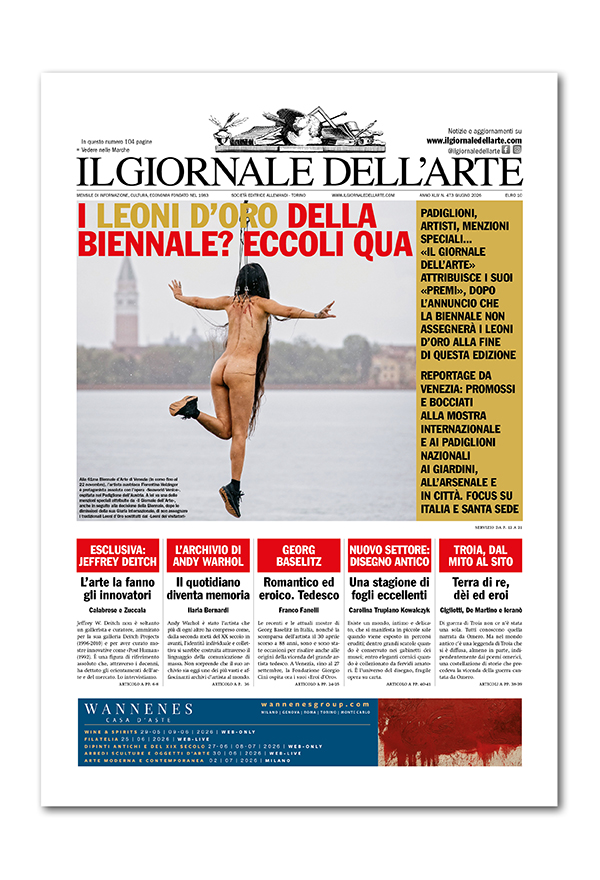
IL NUMERO DI GIUGNO 2026 in edicola
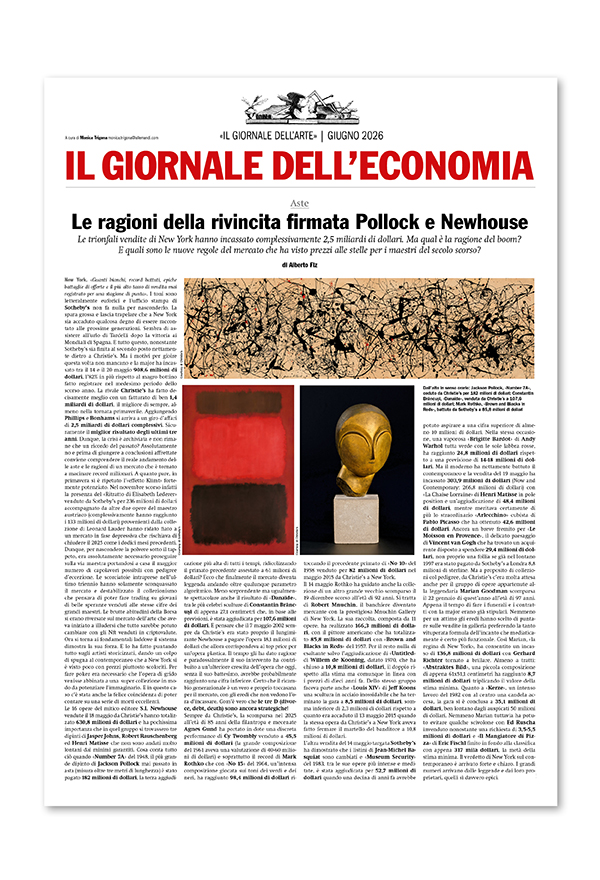
IL NUMERO DI GIUGNO 2026 in edicola
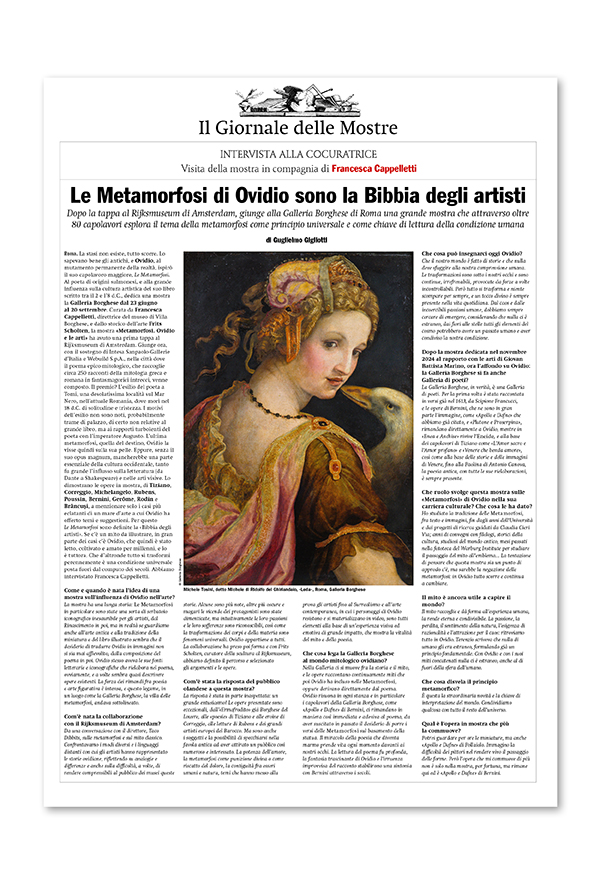
IL NUMERO DI GIUGNO 2026 in edicola
IL NUMERO DI GIUGNO 2026 in edicola
IL NUMERO DI GIUGNO 2026 in edicola
IL NUMERO DI GIUGNO 2026 in edicola
IL NUMERO DI GIUGNO 2026 in edicola
IL NUMERO DI GIUGNO 2026 in edicola


Verifica le date inserite: la data di inizio deve precedere quella di fine


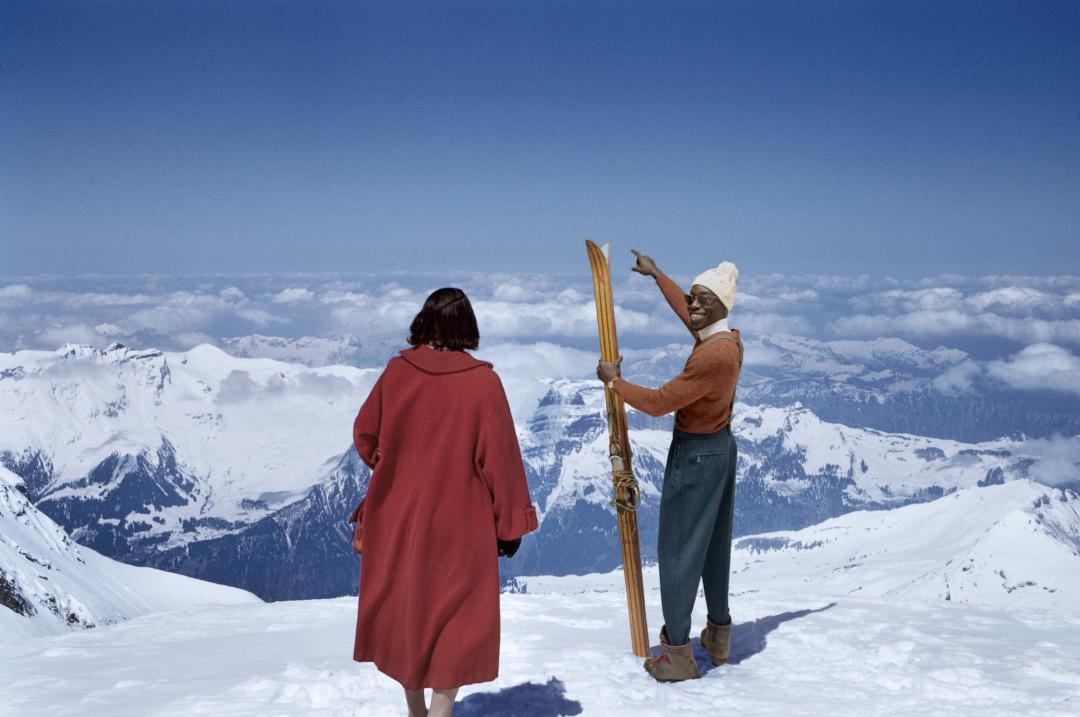
Lee Shulman e Omar Victor Diop, «Being There», 2023
© Courtesy degli artisti
Rencontres d’Arles orienta il panorama fotografico globale
È uno dei più importanti appuntamenti di fotografia in Europa, se non al mondo; un sistema diffuso capace di creare sinergie e contribuire all’economia locale
Carola Allemandi
Leggi i suoi articoliUn festival di fotografia è un organismo che si struttura su tensioni opposte: il radicamento in un luogo geografico preciso e il desiderio di espansione oltre i propri confini. Nel 1970 nasceva ad Arles, città di 50mila abitanti nella regione francese Provenza-Alpi-Costa Azzurra, Les Rencontres d’Arles, oggi uno dei festival di fotografia più importanti in Europa, se non al mondo. Alla sua 57ma edizione (dal 6 luglio al 4 ottobre), Arles oggi è un sistema che coinvolge oltre trenta siti espositivi tra edifici storici, ex complessi industriali e spazi culturali, e una quarantina di dipendenti fissi che diventano, fra volontari e lavoratori stagionali, fino a 400 nei mesi estivi.
L’effetto dei «Rencontres» sulla città provenzale è stato specialmente di carattere identitario, rendendo l’associazione tra Arles e la fotografia radicata e indissolubile, e facendo della città un obiettivo sicuro di investimento per ciò che concerne la crescita di questo settore d’interesse nella proposta culturale della città. Questo significa che un festival è in grado di provocare effetti a lungo termine sulla realtà che lo ospita, nonostante la propria durata limitata, capaci di riflettersi sulla vita della comunità locale.
In dati numerici, possiamo dire che negli ultimi dieci anni Les Rencontres si sono espansi notevolmente, rendendo l’evento un colosso globale cresciuto di circa il 60% nel numero di presenze e superando stabilmente i 175mila visitatori annui (circa 20mila soltanto nella settimana inaugurale).
Ci si può domandare in che misura una realtà cittadina di piccole dimensioni possa prendere parte attiva all’interno del circuito di un festival così strutturato. Christoph Wiesner, direttore dal 2020, afferma che «la città sostiene il festival innanzitutto mettendo a disposizione gli spazi. Les Rencontres non affitta sedi, ma si affida a una varietà di luoghi locali, tra cui chiese, chiostri, spazi museali e privati. La cosa interessante è che i visitatori spesso affermano che venire ad Arles significa allo stesso tempo scoprire le mostre e (ri)scoprire la città. Le mostre sono sempre concepite in relazione allo spazio in cui sono ospitate. Fin dalle sue origini, c’è stato un forte legame tra il tessuto urbano e il festival: qualcosa di davvero speciale».
La diffusione dei Rencontres si può dire essere declinata su piani diversi: geografici interni, esterni e di direzione curatoriale, rivolta verso i temi più cruciali della contemporaneità internazionale. «Il concetto di diffusione è l’essenza del festival, prosegue Christoph Wiesner. È interessante osservare come le idee di “incontro” e “diffusione” possano coesistere. Ciò è evidente, ad esempio, nella presenza di una moltitudine di programmi che si svolgono in parallelo a Les Rencontres, come il Festival OFF, che trasforma Arles in un polo per la fotografia e l’arte e in un luogo di incontro generativo per istituzioni, fotografi, amatori. In termini di diffusione, vogliamo davvero far parte di questa sinergia, rappresentando la fotografia e il nostro impegno per le questioni sociali che plasmano il nostro mondo. Questo approccio fa di Les Rencontres d’Arles una cassa di risonanza che è anche parte di un sistema globale. Direi che lavoriamo come una costellazione, a livello locale, nazionale e internazionale, collaborando con altre istituzioni, ed è anche questo che rende questo festival così importante oggi. Ad esempio, quest’anno abbiamo coprodotto la mostra “Modèle Animal” con Photo Elysée di Losanna, che sarà presentata ad Arles e successivamente presso l’istituzione svizzera; oppure la mostra di Paul Kodjo coprodotta con il Palais de Tokyo di Parigi».
Vale la pena menzionare anche le collaborazioni dei Rencontres con il Serendipity Arts Festival a Goa, in India, e il Jimei x Arles International Photo Festival in Cina.
I Rencontres possono definirsi davvero una piattaforma generativa. Uno dei segnali più recenti è indubbiamente l’inaugurazione, avvenuta nel 2021, del centro culturale LUMA Arles su volontà della collezionista d’arte Maja Hoffmann e che, ricorda ancora Wiesner, «propone un programma indipendente capace di creare una sinergia tra il proprio pubblico e quello della fotografia dei Rencontres, mentre altre fondazioni hanno contribuito a consolidare l’ecosistema culturale di Arles, come la Fondation Van Gogh e la Lee Ufan Arles. Quest’anno, poi, l’artista Jean-Marc Bustamante inaugurerà una nuova fondazione». Ma in questo sistema eterogeneo e propulsivo, «diffusione» non significa soltanto espansione territoriale attraverso una rete di collaborazioni locali e internazionali (citiamo anche il Grand Arles Express, che porta il programma del festival in alcune città limitrofe, da quest’anno comprendendo un’area da Mougins a Montpellier), bensì anche la capacità di arrivare a un pubblico eterogeneo attraverso proposte inclusive e rivolte all’educazione. «Stiamo elaborando un programma annuale all’interno di un edificio chiamato La Maison des Arènes, che verrà ristrutturato per questo fine educativo», annuncia Wiesner
Arles, inoltre, è una città che sta affrontando difficoltà economiche, ed è per questo che, come racconta ancora Wiesner, «il festival investe molte energie nel coinvolgere la popolazione residente, che può accedere gratuitamente alle mostre, aiutando le persone a reinserirsi nel mercato del lavoro come membri del nostro team».
Un festival può quindi ramificarsi tanto nel tessuto urbano in termini logistici quanto sociali; tanto all’infuori del proprio territorio in termini collaborativi quanto di attenzione all’orientamento del panorama fotografico globale. Alla domanda su quale sia la misura ideale della manifestazione e sul punto in cui la sua diffusione potrebbe essere un limite e non un valore aggiunto, Christoph Wiesner sottolinea l’importanza della possibilità di monitorare quanto avviene all’interno dell’evento: «Credo che le dimensioni attuali rappresentino un vero punto di forza, perché ci permettono di mantenerne il controllo. Siamo noi a decidere che cosa includere nel festival, al fine di preservare la qualità e la direzione artistica, elementi essenziali per la vita dei Rencontres d’Arles».
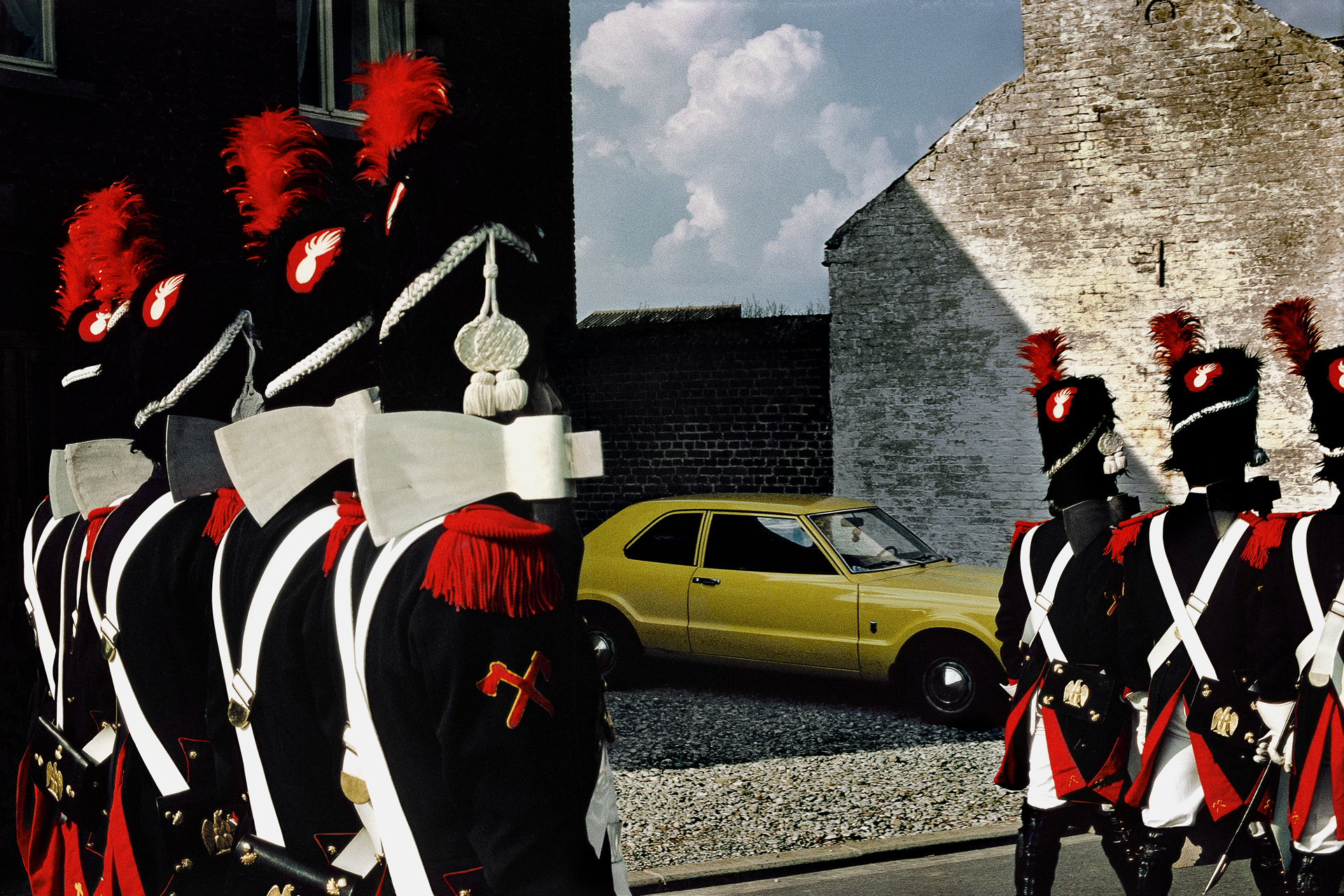
Harry Gruyaert, «Waterloo, Belgium», 1981. Courtesy of the artist and Gallery Fifty One, Antwerp
Rencontres d’Arles shapes the global photography scene
A photography festival is an entity structured around opposing forces: its roots in a specific geographical location and the desire to expand beyond its own boundaries. In 1970, Les Rencontres d’Arles was founded in Arles, a town of 50,000 inhabitants in the Provence-Alpes-Côte d’Azur region of France; today it is one of the most important photography festivals in Europe, if not the world. Now in its 57th edition (from 6 July to 4 October), Arles has evolved into a system involving over thirty exhibition venues, ranging from historic buildings to former industrial complexes and cultural spaces, and a staff of around forty permanent employees, a figure that swells to as many as 400 during the summer months when volunteers and seasonal workers join the team.
The impact of the ‘Rencontres’ on this Provençal town has been particularly significant in terms of identity, cementing the association between Arles and photography as deep-rooted and indissoluble, and making the town a safe bet for investment in the growth of this sector within the town’s cultural offering. This means that a festival is capable of having long-term effects on the community that hosts it, despite its limited duration, effects that are reflected in the life of the local community.
In terms of figures, we can say that over the last ten years Les Rencontres have expanded considerably, turning the event into a global giant that has grown by around 60 per cent in terms of attendance and consistently exceeds 175,000 visitors a year (around 20,000 in the opening week alone).
One might wonder to what extent a small town can play an active role within the framework of such a well-established festival. Christoph Wiesner, director since 2020, states that ‘the city supports the festival first and foremost by providing venues. Les Rencontres does not rent venues, but relies on a variety of local sites, including churches, cloisters, museum spaces and private venues. The interesting thing is that visitors often say that coming to Arles means both discovering the exhibitions and (re)discovering the city. The exhibitions are always conceived in relation to the space in which they are hosted. Ever since its inception, there has been a strong link between the urban fabric and the festival: something truly special’.
The reach of Les Rencontres can be said to extend across various dimensions: internal and external geographical scope, and curatorial direction, focusing on the most crucial themes of the international contemporary scene. «The concept of reach is the essence of the festival, continuesChristoph Wiesner. It is interesting to observe how the ideas of “encounter” and “dissemination” can coexist. This is evident, for example, in the presence of a multitude of programmes running in parallel with Les Rencontres, such as the Festival OFF, which transforms Arles into a hub for photography and art and a generative meeting place for institutions, photographers and enthusiasts. In terms of dissemination, we truly want to be part of this synergy, representing photography and our commitment to the social issues shaping our world. This approach makes Les Rencontres d’Arles a sounding board that is also part of a global system. I would say we operate like a constellation, at local, national and international levels, collaborating with other institutions, and this is also what makes this festival so important today. For example, this year we co-produced the exhibition ‘Modèle Animal’ with Photo Elysée in Lausanne, which will be presented in Arles and subsequently at the Swiss institution; or the Paul Kodjo exhibition co-produced with the Palais de Tokyo in Paris».
It is also worth mentioning the Rencontres’ collaborations with the Serendipity Arts Festival in Goa, India, and the Jimei x Arles International Photo Festival in China.
The Rencontres can truly be described as a generative platform. One of the most recent developments is undoubtedly the opening, in 2021, of the LUMA Arles cultural centre, established at the behest of art collector Maja Hoffmann, which, as Wiesner points out, «offers an independent programme capable of creating synergy between its own audience and that of the Rencontres’ photography, whilst other foundations have helped to consolidate Arles’ cultural ecosystem, such as the Fondation Van Gogh and the Lee Ufan Arles. This year, moreover, the artist Jean-Marc Bustamante will inaugurate a new foundation». But within this diverse and dynamic system, “dissemination” does not merely mean territorial expansion through a network of local and international collaborations (we should also mention the Grand Arles Express, which takes the festival programme to a number of neighbouring towns, covering an area stretching from Mougins to Montpellier as of this year), but also the ability to reach a diverse audience through inclusive and educational initiatives. «We are developing an annual programme within a building called La Maison des Arènes, which will be refurbished for this educational purpose», announces Wiesner
Arles, moreover, is a city facing economic difficulties, which is why, as Wiesner goes on to explain, «the festival invests a great deal of energy in involving the local population, who have free access to the exhibitions, helping people to re-enter the labour market as members of our team».
A festival can therefore extend its reach both within the urban fabric – in logistical and social terms – and beyond its own territory – in terms of collaboration and its focus on the global photographic landscape. When asked about the ideal scale of the event and the point at which its expansion might become a limitation rather than an added value, Christoph Wiesner emphasises the importance of being able to monitor what takes place within the event: «I believe that the festival’s current scale is a real strength, because it allows us to maintain control over it. We decide what to include in the festival, in order to preserve its quality and artistic direction, elements that are essential to the life of the Rencontres d’Arles».
Carola Allemandi, 26 giugno 2026 | © Riproduzione riservata

