

IL NUMERO DI FEBBRAIO 2026 in edicola
IL NUMERO DI FEBBRAIO 2026 in edicola
IL NUMERO DI FEBBRAIO 2026 in edicola
IL NUMERO DI FEBBRAIO 2026 in edicola
IL NUMERO DI FEBBRAIO 2026 in edicola
IL NUMERO DI FEBBRAIO 2026 in edicola
IL NUMERO DI FEBBRAIO 2026 in edicola
IL NUMERO DI FEBBRAIO 2026 in edicola
IL NUMERO DI FEBBRAIO 2026 in edicola
IL NUMERO DI FEBBRAIO 2026 in edicola


Verifica le date inserite: la data di inizio deve precedere quella di fine


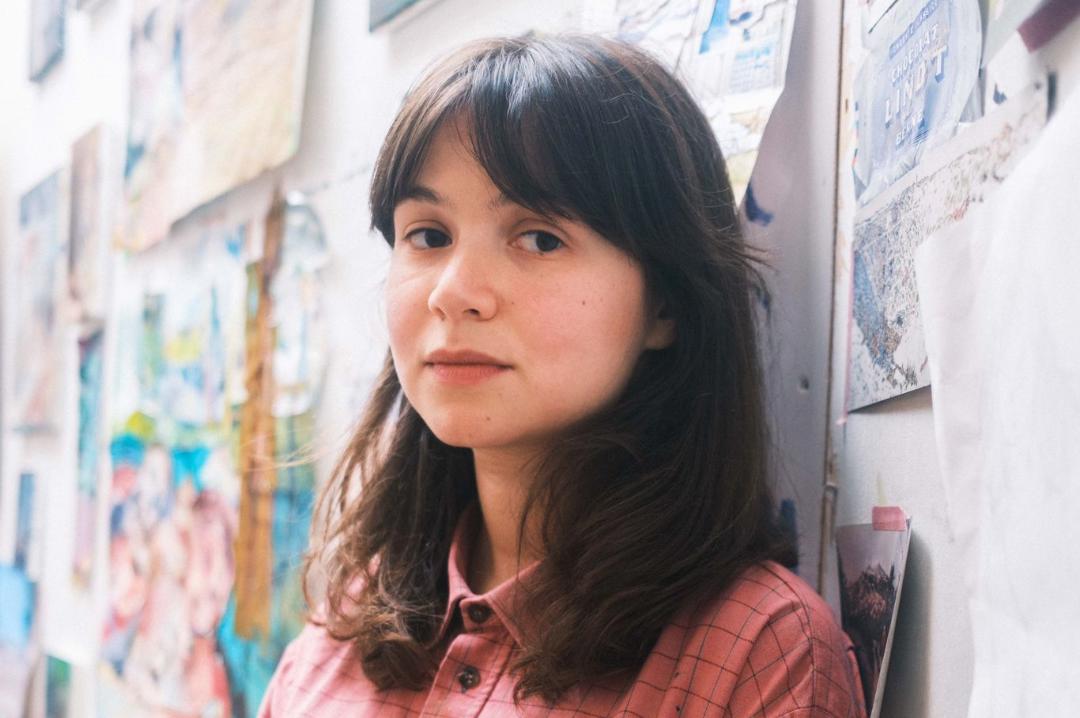
GALEGO, JOANA_ photography by Imogen Forte
Joana Galego: Nel nostro stomaco, un sogno rubato, sul piatto di Table Manners
Barbati Gallery presenta Table Manners, una mostra collettiva internazionale che riunisce 50 artisti provenienti da 18 paesi, tutti partecipanti a The Artist Roundtable – una piattaforma globale fondata nel 2020 da Pia Sophie Ottes per promuovere dialogo, mentorship e un senso di empowerment collettivo tra gli artisti
Ginevra Borromeo
Leggi i suoi articoliBarbati Gallery presenta Table Manners, una mostra collettiva internazionale che riunisce 50 artisti provenienti da 18 paesi, tutti partecipanti a The Artist Roundtable – una piattaforma globale fondata nel 2020 da Pia Sophie Ottes per promuovere dialogo, mentorship e un senso di empowerment collettivo tra gli artisti. Gli artisti coinvolti rappresentano un contesto geografico ampio e diversificato: dall’Argentina alla Cina, dalla Slovenia agli Stati Uniti, da Beirut al Regno Unito, dalle Filippine all’Italia. Abbiamo incontrato gli artisti del progetto. Parola a Joana Galego.
L’Artist Roundtable ha sempre valorizzato apertura, cura e apprendimento reciproco. In che modo partecipare a questa comunità ha influenzato il tuo modo di affrontare la pratica artistica — nel tuo studio, nelle collaborazioni o nel modo in cui pensi al coinvolgimento del pubblico?
Partecipare al Roundtable mi ha sicuramente spinta a collaborare più spesso con altri artisti, cercando tali collaborazioni con curiosità, apertura e fiducia (a volte difficile, ma utile). Nel 2024 ho avuto l’opportunità di lavorare a una mostra bipersonale con l’artista e amica Alice Macdonald presso la galleria Soho Revue a Londra: abbiamo lavorato sia affiancate nella preparazione della mostra, sia insieme su un’installazione (compreso, per coincidenza, un tavolo da pranzo!). È stato un processo creativo gioioso che spero di replicare in futuro.
Nello stesso anno ho avuto l’opportunità di riunire, presso il purtroppo ormai chiuso studio Eye to Pencil di Londra, un gruppo di artisti che avevano lavorato o studiato in Portogallo, per una mostra dedicata a disegno e poesia. Ho collaborato con gli artisti Nuno Gonçalves e Luci Eyers per realizzare la mostra, inclusa una serata di lettura di poesie. In tutto questo, sento l’influenza dell’approccio di Pia durante il Roundtable, per il suo incoraggiamento a lavorare insieme in modo aperto, ottimista e accogliente.
“Table Manners” trasforma l’idea di una tavola condivisa in una metafora del dialogo e della connessione. In che modo il tuo lavoro in mostra risponde o incarna questa idea del ritrovarsi — dell’essere in conversazione con gli altri attraverso l’arte?
Ammetto di ricorrere spesso ai tavoli come dispositivi compositivi nei miei dipinti - una sorta di trucco organizzativo. Essi tagliano lo spazio, trasformandolo e fungendo da palcoscenico per accadere di eventi - interazioni intime e quotidiane, conversazioni attorno a un pasto, litigi familiari, sussurri tra amanti, riflessioni solitarie e così via.
Per il mio dipinto in questa mostra, ho collocato sopra il tavolo molto semplice (un rettangolo giallo-marrone) un melograno, simbolo di fertilità e abbondanza, accanto a fiori che possono apparire appassiti, ma che conservano comunque il desiderio di sognare a occhi aperti (come fa uno dei personaggi). 'In our stomach, a stolen dream', come ho intitolato l’opera, suggerisce che forse uno o entrambi i personaggi hanno già mangiato alcuni semi, e se uno sembra perso nei suoi pensieri, l’altro sembra pianificare un piccolo furto di un fiore, o semplicemente un desiderio di prossimità.
Su e intorno a questo tavolo ho cercato di rappresentare i tentativi di comunicazione, l’incrocio tra ciò che viene detto e ciò che rimane non espresso, ciò che può essere percepito senza parole, e come possiamo essere vicini fisicamente ma lontani nella reciproca comprensione. Il Roundtable mira da cinque anni ad accorciare tali distanze, e quindi è naturale che il mio lavoro parli delle interazioni umane e del desiderio intrinseco di connettersi con gli altri.
Ripensando al tuo percorso con The Artist Roundtable, c’è uno scambio, un consiglio o un momento di vulnerabilità che ha cambiato il tuo modo di vedere cosa significa essere un artista oggi?
Alcuni degli scambi più significativi sono stati i racconti di artisti che sono anche genitori, in particolare coloro che hanno vissuto la maternità. Come persona che ha scelto di non avere figli, ma che si è spesso concentrata sul tema della “cura”, ho apprezzato ascoltare testimonianze sincere su come la vita possa intrecciarsi con la creazione artistica, alimentandosi reciprocamente. Esempi di questo provengono non solo dai relatori invitati (come la pittrice Jenna Gribbon), ma anche dal gruppo di artisti del Roundtable (tra cui Sikelela Owen, Eleanor May Watson e Kate Williams, per citarne alcuni).
Inoltre, ho trovato di grande valore vedere altri artisti parlare di autostima e assertività — con attenzione all’integrità personale - come elementi fondamentali nella gestione dei collaboratori, galleristi e curatori. È stato un promemoria sull’importanza di valutare sinceramente i progetti prima di accettarli.
Infine, è impossibile non menzionare l’impatto positivo della straordinaria dedizione di Pia al progetto. Il fatto che tutti noi stiamo esponendo a Venezia conferma la immensa forza dello spirito collaborativo e l’importanza di una comunità solidale per la crescita e il successo degli artisti.
@joana.galego
1. The Artist Roundtable has always emphasised openness, care and mutual learning. How has participating in this community influenced the way you approach your own artistic practice — whether in your studio, collaborations or the way you think about audience engagement?
Participating in The Artist Roundtable has certainly made me want to collaborate more frequently with other artists, and to seek such collaborations with a healthy dose of curiosity, openness and confidence (sometimes hard but useful). In 2024 I had the chance to work towards a two-person show with the artist (and friend) Alice Macdonald at the gallery Soho Revue in London: we worked not only side by side in the preparation for that show, but also together on the same piece, particularly an installation (including, by coincidence, a dining table!). That was a joyous creative process which I hope to repeat, in different ways, in the future. On that same year I also had the opportunity to bring together, at the now sadly closed Eye to Pencil studio, in London, a group of artists, who either worked or studied in Portugal, for an exhibition dedicated to drawing and poetry. I collaborated with the artists Nuno Gonçalves and Luci Eyers to bring that show to life, including an evening of poetry reading. In all of this I feel the influence of Pia's approach throughout The Artist Roundtable, for its encouragement to an open, optimistic and welcoming way of working together.
2. “Table Manners” transforms the idea of a shared table into a metaphor for dialogue and connection. How does your work in the exhibition respond to or embody, this idea of gathering — of being in conversation with others through art?
I'm guilty of frequently recurring to tables as useful compositional devices in my paintings - a sort of organisational trick. They cut space, transforming it, serving as a stage for things to happen on them - mundane yet intimate and meaningful interactions, conversations over a meal, family arguments, whispers between lovers, lonely reflections, and the list carries on. I like placing different objects on top of the tables I paint, hoping that they can become symbols to feed one's imagination. For my painting in this exhibition I positioned, on top of the very simple table (a mere yellowish-brownish rectangle) a pomegranate, symbol of fertility and abundance, next to flowers which may appear wilted and dead, yet can still carry the wishfulness of daydreaming (as I think one of the figures is doing). 'In our stomach, a stolen dream', as I called it, hints that perhaps one (or both) of the figures had already eaten some of the seeds, and if one of them seems to be lost in hopeful thought the other seems to mischievously plan a heist of sorts, even if the most inoffensive one, of a flower, or is it simply a longing for proximity? On top and across this table I focused on those attempts of communication, the cross-paths between what's expressed and left unsaid, what can be perceived without words and how we may be physically near yet distant in our recognition of each other.
The Artist Roundtable has been, for five years, an initiative which aims to shorten such distances, and so it felt natural to work with human interactions and the inherent wish to connect with others. To me, this painting tries to speak of the invisible threads that bring us together, even while we carry on with our apparently separate lives.
3. Looking back on your journey with The Artist Roundtable, is there a particular exchange, piece of advice, or moment of vulnerability that shifted your perspective on what it means to be an artist today?
If on one hand it was always exciting and insightful to hear about the inner workings of galleries and the relationships they nurture with their artists, I think that some of the exchanges that most impacted me came from first person accounts of artists who are also parents, and in particular artists who had experienced motherhood. As someone who, since an early age, leaned towards not having children, yet regularly focused on the theme of 'care', I appreciated hearing generously honest testimonies of how one's life can intertwine artistic creation not only as a profession but as a fulfilling means of self-expression and self-realisation, with the challenging and rewarding process of upbringing a child. I was faced with diverse accounts of how all these aspects can feed, - rather than annulating - each other. Examples of this came not only from the invited speakers (the painter Jenna Gribbon) but from the cohort of artists constituting the Roundtables (Sikelela Owen, Eleanor May Watson and Kate Williams to name only a few).
In addition to this, I feel compelled to mention the positive impact of seeing artists mention self-confidence and assertiveness - with attention to one's own integrity - as key elements of dealing with their collaborators in the art world, such as gallerists and curators. I found that a good reminder of the importance of assessing how I genuinely feel about a project before automatically agreeing to take part.
Lastly, but not less importantly, it is impossible not to mention how inspiring it has been to witness Pia's remarkable belief and dedication to this project. The fact that we are all showing in Venice confirms the immense power of a collaborative spirit!
@joana.galego
Ginevra Borromeo, 08 gennaio 2026 | © Riproduzione riservata
Altri articoli dell'autore
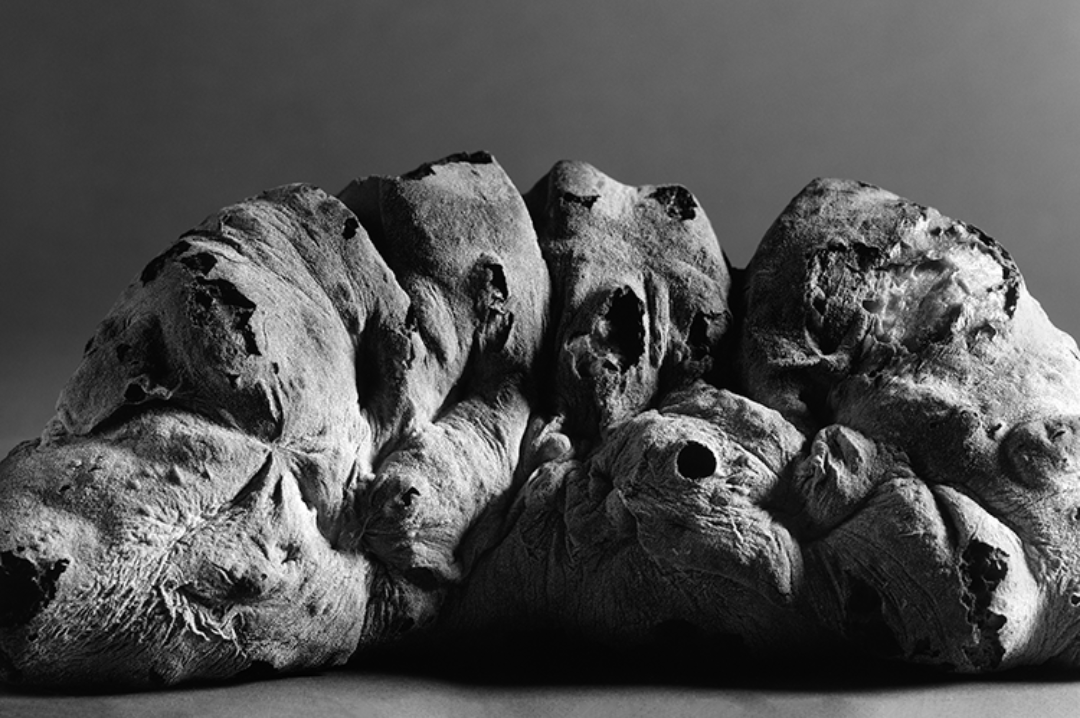
Luigi Spina a Tricarico racconta la cultura contadina tra riti, oggetti e memoria collettiva
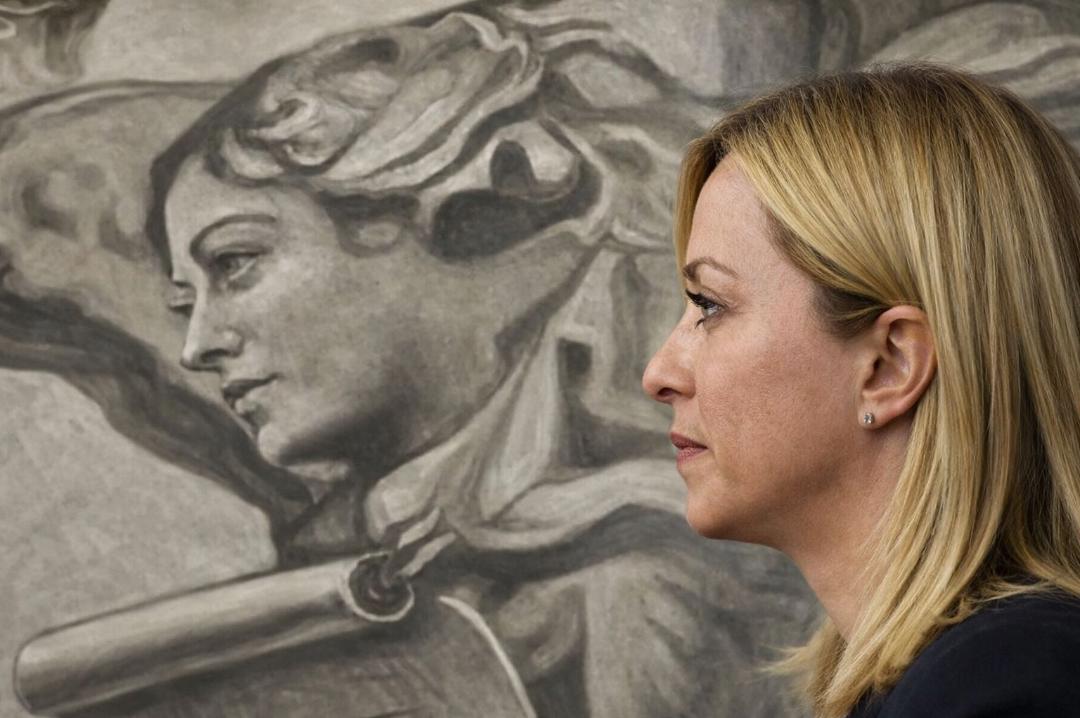
Nella Basilica di San Lorenzo in Lucina a Roma uno degli Angeli di un affresco appena restaurato ha riproposto palesemente i lineamenti del volto della presidente del Consiglio Giorgia Meloni. La somiglianza manifesta, subito rilanciata sui social e nei media, ha trasformato un intervento di conservazione in un caso politico e culturale con riflessi istituzionali e di tutela dei beni artistici.
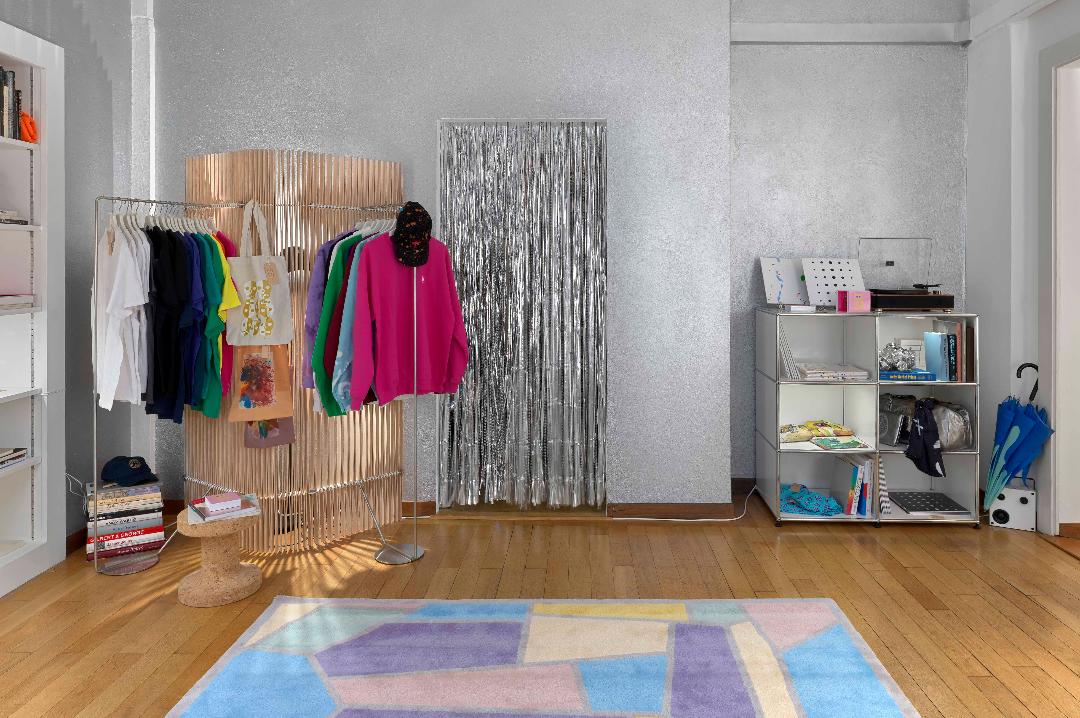
Al MAMCO di Ginevra, John M. Armleder costruisce una mostra che elude la forma della retrospettiva e interroga il museo come spazio di accumulo, consumo e riattivazione. «Encore(s.)» attraversa oltre cinquant’anni di pratica per mettere in crisi le gerarchie tra opera, oggetto e contesto, proponendo una lettura dell’arte come campo fluido di relazioni più che come produzione di forme autonome.
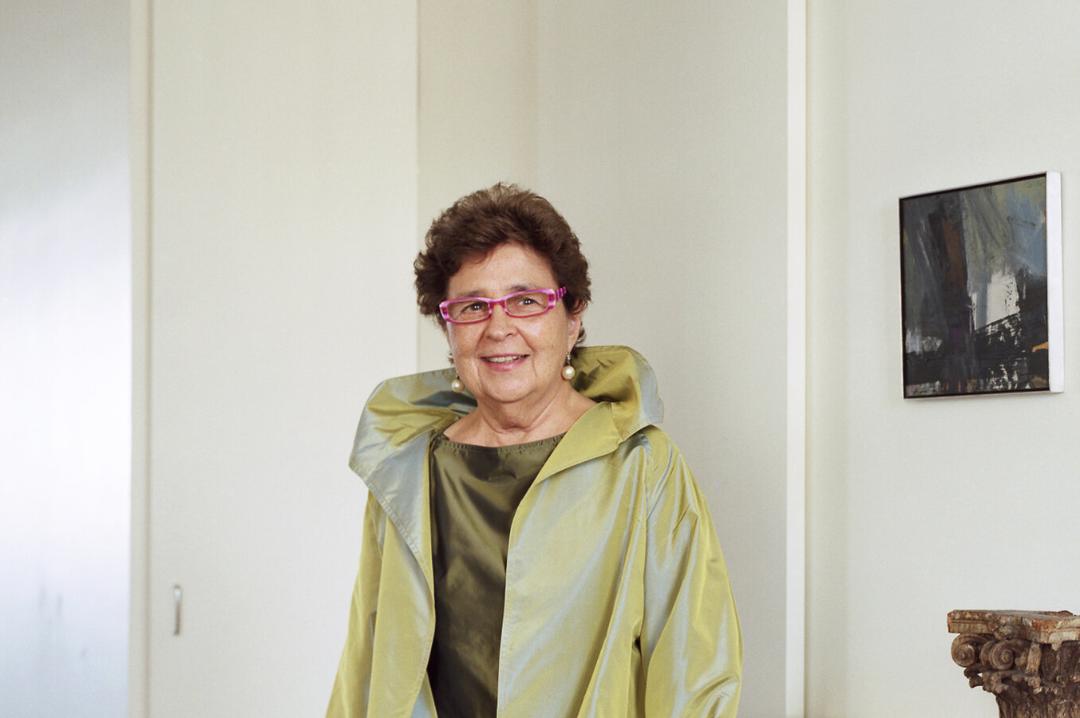
Marian Goodman è stata una delle figure decisive del sistema dell’arte internazionale del secondo Novecento e dei primi decenni del XXI secolo. Gallerista, mediatrice culturale e costruttrice di carriere, ha ridefinito il ruolo del mercante d’arte come attore intellettuale, capace di coniugare mercato, rigore curatoriale e responsabilità storica.

